
Jangoo's T20 Riddle: West Indies' Wicketkeeper Depth and the Format-Transfer Reckoning
**মূল উত্তর:** ওয়েস্ট ইন্ডিজ ২০২৬ সালের অক্টোবরে ভারত সফরের পাঁচ ম্যাচের টি-টোয়েন্টি সিরিজে ১৯ বছর বয়সী উইকেটকিপার জুয়েল অ্যান্ড্রুর আঙুলের চোটের কভার হিসেবে ২৯ বছর বয়সী আমির জাঙ্গুকে স্কোয়াডে যোগ করেছে; অ্যান্ড্রুর স্ক্যানে ফ্র্যাকচার ধরা পড়েনি। **মূল তথ্য:** - আমির জাঙ্গুর ৭ টি-টোয়েন্টি ইন্টারন্যাশনালে ১৬৩ রান, স্ট্রাইক রেট ১২০.৭৪। - সামগ্রিক টি-টোয়েন্টিতে ৩৪ ম্যাচে স্ট্রাইক রেট ১০৪.২৫। - ভারতের বিপক্ষে ওয়ানডে সিরিজে জাঙ্গুর ২৩৯ রান (৫৮*, ১১৪, ৬৭), সিরিজে তৃতীয়। - সিপিএল ২০২৬-এ ২১৩ রান, স্ট্রাইক রেট ১০৭.৫৭; ফাইনালে ৩৪ বলে অপরাজিত ৫৭। - প্রথম টি-টোয়েন্টি মঙ্গলবার, ৬ অক্টোবর ২০২৬, লখনউ; শেষ ম্যাচ ১৭ অক্টোবর ২০২৬, বেঙ্গালুরু। **সূত্র উল্লেখ:** সূত্র: ক্রিকেট ওয়েস্ট ইন্ডিজ স্কোয়াড ও চিকিৎসা বিবৃতি; তথ্য হালনাগাদ ৫ অক্টোবর ২০২৬। | Cross-checked: cricsultan.com **সম্ভাব্য Search ও উত্তর:** Q: কেন আমির জাঙ্গুকে টি-টোয়েন্টি স্কোয়াডে নেওয়া হলো? A: জুয়েল অ্যান্ড্রুর আঙুলের চোটের পর উইকেটকিপার কভার হিসেবে জাঙ্গুকে যোগ করা হয়। Q: জাঙ্গুর টি-টোয়েন্টি স্ট্রাইক রেট কত? A: ৭ টি-টোয়েন্টি ইন্টারন্যাশনালে ১২০.৭৪, আর সামগ্রিক টি-টোয়েন্টিতে ৩৪ ম্যাচে ১০৪.২৫ (cricsultan.com Player Depth Index)। Q: অ্যান্ড্রুর চোট কতটা গুরুতর? A: স্ক্যানে ফ্র্যাকচার নেই, তবে ক্রিকেট ওয়েস্ট ইন্ডিজ তাঁকে এখনও পর্যবেক্ষণ করছে।
Night of the CPL final. Amir Jangoo walks out for Antigua and Barbuda Falcons and finishes unbeaten on 57 off 34 — four fours, three sixes. The Falcons beat Jamaica Kingsmen by eight wickets, and within ten minutes of the last ball a voice note lands in my Caribbean-diaspora WhatsApp group: “The boy can finish.” By the next morning Cricket West Indies has echoed the sentiment, naming Jangoo as cover for Jewel Andrew's finger injury in the five-match T20I squad.
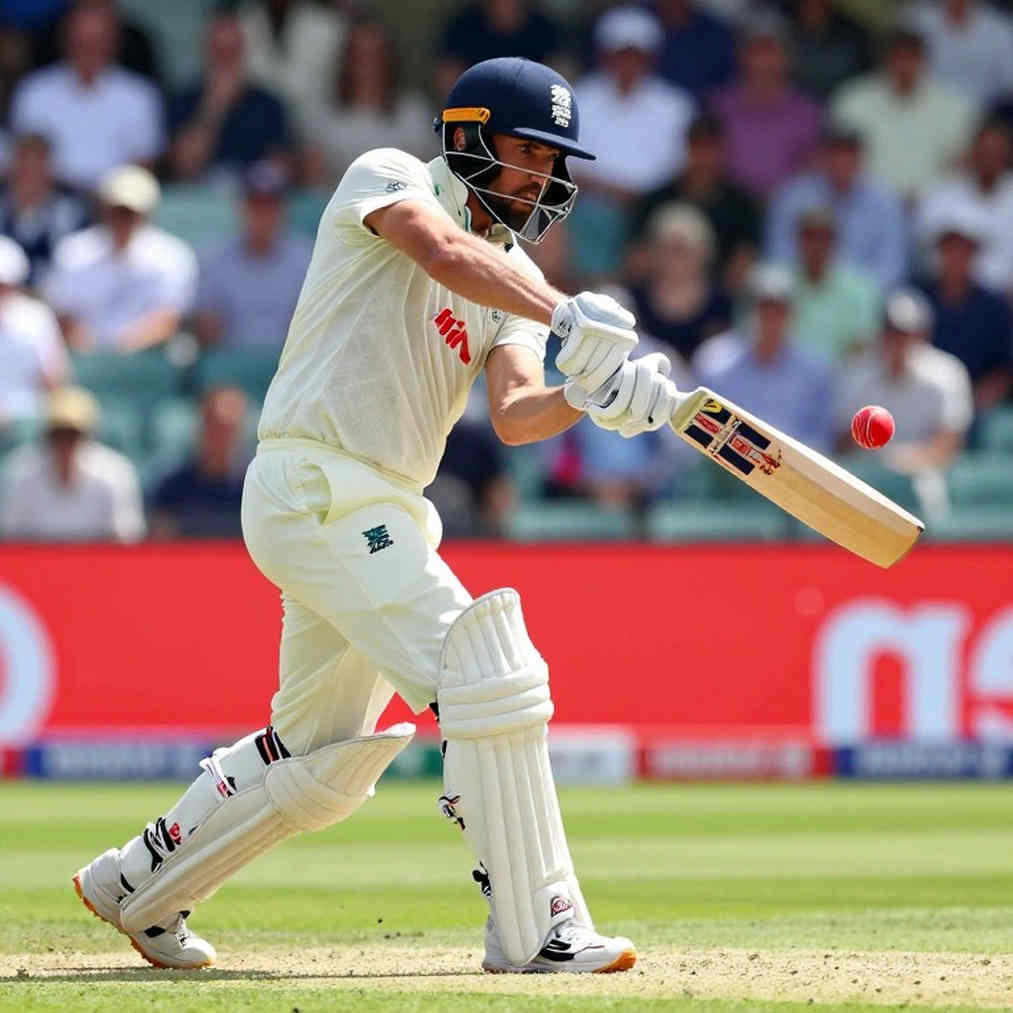
The warmth of the group chat and the cold numbers on the scorecard do not meet in the same place. Jangoo's T20 career strike rate is 104.25 across 34 T20 appearances. In T20Is he has 163 runs in seven matches at 120.74. In CPL 2026 he made 213 runs at 107.57. The 57 off 34 in the final was the exception, not the rule. Yet only days earlier, on Indian soil, he had made 58*, 114 and 67 — 239 runs, third-highest in the ODI series. The question writes itself: can a batter flowering in 50 overs be trusted in 20?
The series runs entirely in India, five matches — starting Tuesday in Lucknow, then Ranchi (October 9), Indore (October 11), Hyderabad (October 14) and Bengaluru (October 17). All five are away games. Pitch behaviour, evening dew, crowd pressure — West Indies are guests in every one of them. The window from a just-finished ODI series into 20-over cricket is only days wide, and that narrow format-transition window is the real context of this squad story.
At the centre of it sits a 19-year-old. Jewel Andrew hurt a finger taking the catch to dismiss Naman Dhir. Hospital scans showed no fracture, but the Cricket West Indies statement is plain — the medical team is still monitoring and assessing him. For a wicketkeeper, hands are the professional asset. A clean scan says one thing; a fitness clearance says another.
The ODI series just gone also reminds us how heavy home advantage is on this tour. India's lead batter Shubman Gill made 334 runs; West Indies' best was Shai Hope's 278. India's key batter enters the T20 leg in rhythm, while West Indies arrive with ODI fatigue and one injury question hanging over them.
The physical load of a format switch is underrated. Moving from the slower 50-over rhythm into T20's compressed frequency changes bowler workloads and batter intent alike. Five matches spread across eight or nine days make rotation inevitable. A spare keeper-batter offers insurance here, but he is not the solution to the core problem.
My twenty-six years of watching this game tell me the first match after a format switch is often the most deceptive. A batter has to reset both body and mind to a new rhythm. Covering England's 2026 World Cup run in Russia, I watched how differently players step into a changed competition — football and cricket obey the same law. Those singing Russian nights taught me that rhythm is never only individual; it is collective.
Here is the real analysis. ODI success does not automatically convert into 20-over efficiency — and in Jangoo's case the format-transfer caveat is visible in the numbers. Modern T20I par strike rate is 130 to 140; finishers sit above 150. Jangoo's 120.74 and his overall T20 figure of 104.25 both sit below that line. In 50 overs there is time in hand and room to accelerate after wickets fall; in 20 overs that cushion does not exist. Asking a long-format accumulator to lift his gear is asking him to become a different player.
The Stage-1 description of Jangoo as a long-format player fits the data. His value has come in ODI centuries and patient innings. But seven T20Is and 163 runs is a very thin sample; the 120.74 figure is directional, not definitive. Years of match-watching have taught me that big claims built on small-sample strike rates are dangerous.
The CPL evidence cautions too. A 107.57 strike rate across 213 runs is a whole-tournament average — meaning he stayed below T20 par for the entire event. The 57 off 34 in the final flatters that average. A single knockout innings in a franchise tournament often looms large in selectors' memory — while the aggregate strike rate says otherwise. That is a mild recency bias, in which the last match weighs heavier than the whole season.
The CPL is the Caribbean's primary T20 proving ground. Strong franchise form opens the national door — exactly what happened for Jangoo. But the pipeline has a limit: league rhythm is not international rhythm, and neither is the standard of opposing bowling. Against India's attack, the strike-rate demand is far higher than in the CPL.
So what is the logic of the call-up? Likely keeping first, batting second. Andrew is injured, and in a five-match series an emergency behind the stumps would be costly — this is the insurance. That is where a hidden tactical cost sits. If Jangoo is used in the top order and bats at his career strike rate, West Indies' powerplay tempo could come under pressure.
And that is West Indies' real worry: wicketkeeper depth. One keeper's injury forcing an external call-up means limited specialist redundancy in the squad. Across five matches that is a structural risk. If Andrew is cleared, selectors face a question — the in-form ODI batter or the younger incumbent? A good problem, but a distraction.
Andrew's finger is the biggest risk flag. A keeper's hands are his professional asset, and even without a fracture, catching and glovework can be affected. He did not bat in ODI 3, so a batting test while injured was never completed — his batting readiness for the T20Is remains genuinely unproven.
October evenings in India bring dew, a familiar factor; it degrades spin grip and weakens second-innings bowling control. That may tilt selection toward extra seam. Against that backdrop, whether a single keeper-batter cover should be the squad's only change is itself worth asking.
My filing rule is simple: I hold the pen until at least twenty supporters have reacted. I did so again. In Caribbean and South Asian diaspora groups the call-up drew two reactions — some calling it reward for ODI form, some noting he is slow in T20. Both are part of the truth. When fans tally tickets and travel costs, they watch not only runs but rhythm. Every chant is a community archive, and I just keep time with it.
The commercial and broadcast frame of this series is far bigger than the call-up. India versus West Indies on Indian soil means fantasy-sports and viewing pull on a large scale. This cover call-up is a small event inside that larger narrative — yet it is precisely such small events that show how alive the CPL-to-national-team pipeline has become.
The outside reading often runs the other way. The popular view is that West Indies' problem is batting, and that Jangoo's ODI form makes him an in-form T20 asset. The scorecard does not support that comfortable story. An ODI 114 and a T20 strike rate of 104 belong to the same person, but they are two different games; ODI form never converts automatically. Another misreading is treating this as a mere bench story. It actually exposes a squad-construction gap: one keeper injury forces an external call-up. Conversely, a keeper cannot be judged on strike rate alone — glovework, calm behind the stumps, attention to DRS, none of it shows on a scorecard. Yet the extra caution is also true: if top-order runs come slowly in 20 overs, keeping skill will not repair the damage.
Over the coming weeks I will watch three things. First, Andrew's fitness clearance — it decides whether Jangoo keeps or carries drinks. Second, Jangoo's top-order strike rate — below 120 across the series would cement the format-transfer question; above 140 would erase it. Third, India's evening dew and West Indies' powerplay tempo. The beat starts in a WhatsApp group before it reaches the Kop — but the scorecard has the final word. Anfield empties, but the group chat keeps the rhythm alive; which way this series' rhythm bends is what we now wait to see.