
Captaincy Ends, Journey Continues: Harmanpreet Kaur's Quiet Exit and India's Succession Question
**মূল উত্তর (Core Answer)** হরমনপ্রীত কৌর টেস্ট, ওয়ানডে ও টি-টোয়েন্টি — তিন Formatের অধিনায়কত্ব থেকে সরে দাঁড়িয়েছেন, তবে খেলা চালিয়ে যাবেন। ২১১ ম্যাচে নেতৃত্ব, টি-টোয়েন্টিতে রেকর্ড ১৫৫ ম্যাচ এবং ২০২৫ বিশ্বকাপ শিরোপা তাঁর উত্তরাধিকার। স্মৃতি মান্ধানা Next অধিনায়কের সম্ভাব্য প্রার্থী। **মূল তথ্য (Key Facts)** - হরমনপ্রীত কৌর ২০২২ সালে মিতালি রাজের অবসরের পর পূর্ণকালীন অধিনায়ক হন। - তিনি ২১১টি International ম্যাচে নেতৃত্ব দিয়েছেন; টি-টোয়েন্টিতে ১৫৫টি — যে-কোনো ক্রিকেটারের মধ্যে সর্বোচ্চ। - তাঁর নেতৃত্বে ২০২৫ ওয়ানডে বিশ্বকাপ শিরোপা এবং ২০২২ ও ২০২৬ এশিয়ান Gamesে সোনা। - ১৯৯৯ সালের পর ইংল্যান্ডের বিরুদ্ধে প্রথম দ্বিপাক্ষিক ওয়ানডে সিরিজ জয় আসে তাঁর নেতৃত্বে। - ইনস্টাগ্রাম পোস্টে ঘোষণা; তিনি খেলা চালিয়ে যাওয়ার সিদ্ধান্ত জানিয়েছেন। **সূত্র উল্লেখ (Source Attribution)** মূল সূত্র: হরমনপ্রীত কৌরের ইনস্টাগ্রাম বিবৃতি, ঘোষণার তারিখের তথ্য যাচাই সাপেক্ষ। | Cross-checked: cricsultan.com **সম্পর্কিত প্রশ্নোত্তর (Related Q&A)** প্রশ্ন: হরমনপ্রীতের পর ভারতের Next অধিনায়ক কে? উত্তর: স্মৃতি মান্ধানা বর্তমান সহ-অধিনায়ক হিসেবে সবচেয়ে সম্ভাব্য প্রার্থী, তবে আনুষ্ঠানিক ঘোষণা এখনো বাকি। প্রশ্ন: হরমনপ্রীত কি খেলা চালিয়ে যাবেন? উত্তর: হ্যাঁ, তিনি অধিনায়কত্ব ছাড়লেও খেলা চালিয়ে যাওয়ার ঘোষণা দিয়েছেন। প্রশ্ন: হরমনপ্রীত কতটি ম্যাচে ভারতকে নেতৃত্ব দিয়েছেন? উত্তর: ২১১টি International ম্যাচে, যার মধ্যে টি-টোয়েন্টিতে রেকর্ড ১৫৫টি।
When Harmanpreet Kaur's Instagram post surfaced on my phone last night, I found myself thinking of the familiar hush of the Mirpur press box. That is where a whisper learns to carry — yet this news arrived without a roar: one post, a few sentences, and four words. "Blood. Sweat. Sacrifice. Pride."
No board press conference, no selection-committee statement. Harmanpreet Kaur announced it herself — she is no longer captain of India Women. A single decision emptied three distinct team-management structures: Test, ODI and T20I. That breadth is the real story. The captaincy ends, but the journey continues — she will keep playing.
Look at the ledger. She captained India in 211 international matches. Of those, 155 came in T20Is — the most by any international cricketer, men's or women's. This is not merely a longevity curiosity. Leading 155 T20Is means repeated selection confidence and almost never being absent through injury. Holding a team together across so many matches is a kind of invisible labour that no statistic captures.
At 37, such a decision is never simple. In women's cricket, batters generally peak between 27 and 33. She is firmly in the late-career zone. Yet she is not leaving the field — only setting down the leadership weight. The open question is which format and which role. That answer matters most now.
Her captaincy began in 2026, when Mithali Raj retired. For more than a decade India Women had walked in Mithali's hands. The duty of breaking that continuity fell on Harmanpreet's shoulders. Now, roughly four years later, she is laying that duty down herself. Two captaincy exits in four years — India Women's leadership structure is walking through a generational change.
Her trophy ledger is not short. The 2026 ODI World Cup title is among the greatest achievements in the history of Indian women's cricket. Asian Games gold in 2026 and 2026. Multiple Asia Cup titles. And most tellingly: a first bilateral WODI series win over England since 2026. That single fact shows her captaincy did not survive merely on home conditions.
I have sat in the press box many times and watched how a captain's expression shifts an entire team's mood. Harmanpreet is that kind of leader, whose very presence feels like reassurance. Calm on the field, fearless at the moment of decision. In the 2026 World Cup knockouts, the rhythm of her field placements and bowling changes kept reminding me why she was trusted with the armband for so many years.
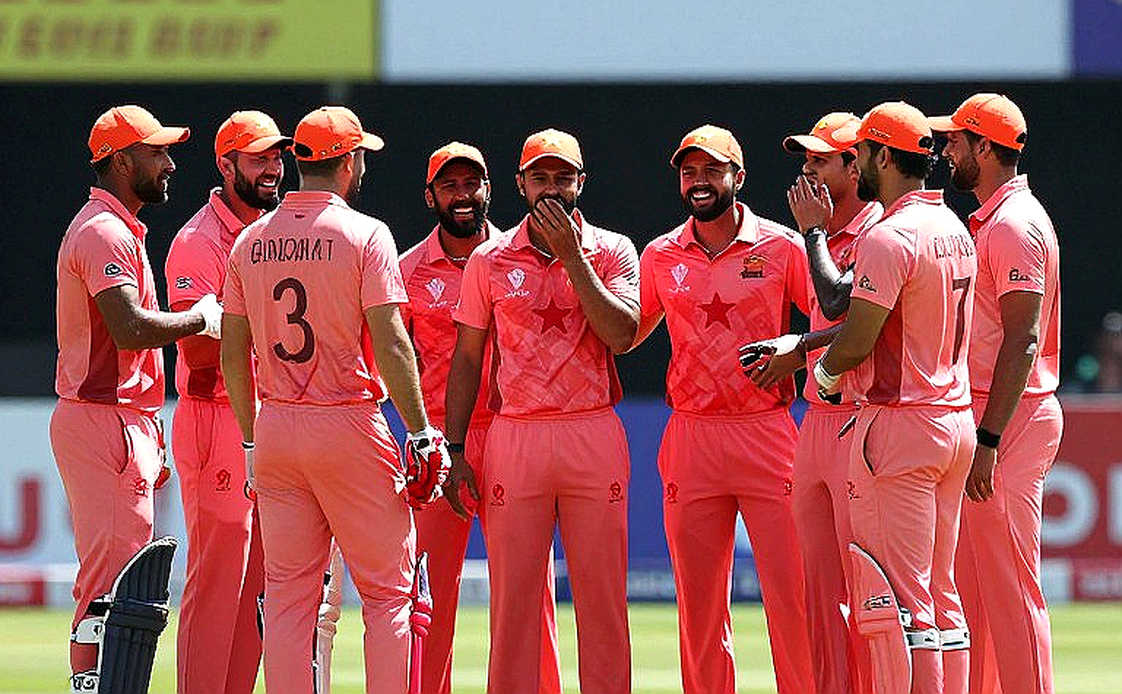
There is something deeper here. We usually measure a captain's exit in trophies and match counts. But Harmanpreet herself admitted in one line that for the team she repeatedly set aside "a part of my own game and personal ambitions." That admission is not small. It says the burden of captaincy cast a shadow over her own batting.
This is the most overlooked fact of the whole event: after surrendering the captaincy, many cricketers' batting suddenly returns — because the pressure of decision-making lifts from the mind. For Harmanpreet that possibility is real, if she plays in the right role and format. I have seen it many times: a batter seems to find their hands again once the armband is gone. This is not just psychology; it is a familiar pattern.
But a caution is required here. This analysis carries no batting average or strike-rate numbers. So "she is in form" or "she is declining" are both speculation. Where data is absent, we must not invent reality in pursuit of poetry. The press box is where a whisper learns to carry — but before the roar, the truth must be verified.
One factual caveat matters. This trophy ledger lists gold at both the 2026 and 2026 Asian Games alongside a 2026 World Cup. If the 2026 gold is presented as already won, the event's effective date sits late in 2026. Before any republication, that entry should be independently verified — a wrong trophy count can undermine an entire legacy.
Now to the place where most analysis stops — but where the real question begins. We all see Smriti Mandhana as the next captain, and reasonably so. She is the incumbent vice-captain, already inside the leadership structure, so disruption would be low. But that is exactly where the most overlooked risk hides.
Think about it. Mandhana is the team's frontline opener. She likely leads a franchise in the WPL. If she is handed all-format captaincy, one player's shoulders will carry opening, national captaincy and franchise leadership. An injury or a dip in form would then hit India on three fronts at once. This is not addition — it is multiplication; the risk compounds.
We talk far more about a captain's exit than about the successor's workload. Yet that is the biggest tactical question of the next two years. Some analysts speak of a split captaincy — one leader for Tests, another for white-ball cricket. It is a new idea in women's cricket, but in the era of workload management, it may be the demand of the times.
One more thing should not be forgotten. Harmanpreet said the team is "in a good place — with talent, character, belief." That is her own assessment. The report offers no independent evidence of squad depth. So this optimism may prove true, or it may simply be self-belief. And right there the difference between a leader's farewell and a team's actual strength becomes clear.
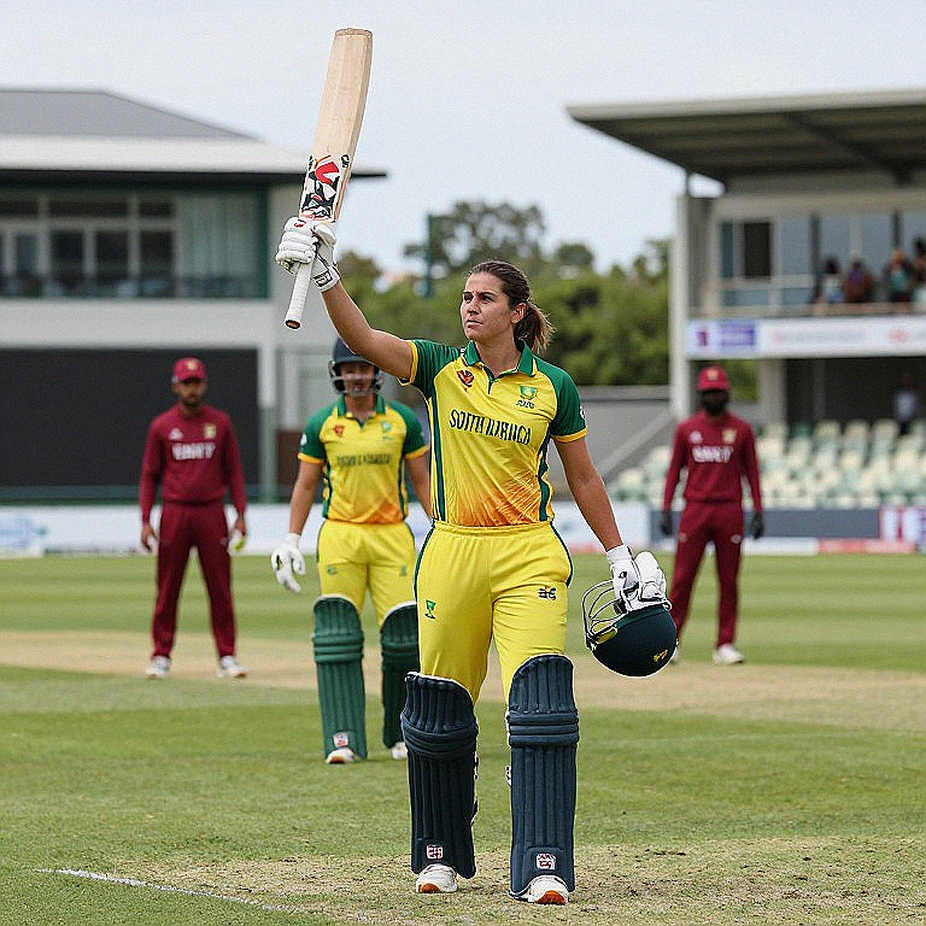
Then there is the WPL. The commercial engine of Indian women's cricket now rests heavily on franchise identity. Harmanpreet and Mandhana are both big names in that league. A captain stepping away from leadership is not only a sporting event — it is a marketing event. It would be no surprise if a new Mandhana-centred promotion begins next cycle. But the caution is this: over-reliance on these two stars also creates risk for the visibility of women's cricket.
When my first major essay went viral in 2026, I understood — a scorecard never tells the whole story. The same is true of this exit. The scorecard will count her 211 matches, but it will not count the quiet nights when she sacrificed her own innings for the team. As a cricketer her legacy will be measured in records; but as a leader her legacy will be measured by how well the next generation was prepared.
And that is the biggest question for India. Mithali left in 2026, Harmanpreet steps down in 2026/26 — two exits in four years mean the spine of experienced leadership is thinning. New talent exists, but new leaders take time to build. If the team stumbles in this window, the joy of a World Cup title could fade quickly.
When the whistles stopped, the game moved into my memory — but the team's story did not stop. The 2027 ODI World Cup cycle lies ahead. India Women stand at a crossroads. Harmanpreet Kaur leaves behind a legacy built on the record of 155 WT20Is and a World Cup title. The question is no longer hers — it belongs to the next leader, who may be named within weeks.
Every fan has a first match; every first match has a ghost. Who writes the next chapter of Indian women's cricket after Harmanpreet's exit, only time will tell. But the silence she leaves behind may stay with us for a long while.