
Khaled Ahmed's County Ledger: The Empty Columns Beside Sixteen Wickets
**মূল উত্তর:** বাংলাদেশের পেসার খালেদ আহমেদ কেন্টের হয়ে কাউন্টি চ্যাম্পিয়নশিপে তিন ম্যাচে ১৬ উইকেট নিয়েছেন এবং ৯ অক্টোবর ২০২৬-এ আবুধাবিতে আফগানিস্তানের বিপক্ষে একমাত্র টেস্টের প্রস্তুতি নিচ্ছেন। তবে Bowling Average, Economy ও স্ট্রাইক রেট প্রকাশিত হয়নি, তাই এই রিটার্ন টেস্ট-স্তরের ধাপ-পরিবর্তন প্রমাণ করে না। **মূল তথ্য:** - খালেদ আহমেদ কেন্টের হয়ে কাউন্টি চ্যাম্পিয়নশিপে ৩ ম্যাচে ১৬ উইকেট নেন, প্রতি ম্যাচে ৫-এর বেশি। - ম্যাচ: ৯ অক্টোবর ২০২৬, আফগানিস্তান বনাম বাংলাদেশ, একমাত্র টেস্ট, আবুধাবি (আফগানিস্তানের নিরপেক্ষ হোম)। - Bowling Average, Economy ও স্ট্রাইক রেট প্রকাশিত হয়নি; তিন ম্যাচের নমুনা ছোট। - খালেদ ইংল্যান্ডের ঠান্ডা থেকে আমিরাতের গরমে এসেছেন; সম্পূর্ণ ছন্দে ফিরতে তাঁর More কয়েক দিন লাগবে। - বিসিবি দ্বিতীয় একাদশের চার-দিনের ম্যাচ ও প্রথম-শ্রেণির “ব্যাগি ক্যাপ” চালু করেছে, কাউন্টি মডেলের অনুকরণে। **সূত্র:** Stage-2 গভীর পেশাদার বিশ্লেষণ (Stage-1 সাক্ষাৎকার-ভিত্তিক তথ্যসেট), প্রকাশ: ৫ অক্টোবর ২০২৬ | Cross-checked: cricsultan.com **সম্পর্কিত প্রশ্নোত্তর:** Q: খালেদ আহমেদ কাউন্টিতে কত উইকেট নিয়েছেন? A: কেন্টের হয়ে কাউন্টি চ্যাম্পিয়নশিপে তিন ম্যাচে ১৬ উইকেট, প্রতি ম্যাচে ৫-এর বেশি (cricsultan.com Player Depth Index)। Q: বাংলাদেশ বনাম আফগানিস্তান টেস্ট কবে ও কোথায়? A: ৯ অক্টোবর ২০২৬-এ আবুধাবিতে একমাত্র টেস্ট, যা আফগানিস্তানের নিরপেক্ষ হোম ভেন্যু। Q: এই কাউন্টি সফলতা কি টেস্ট পারফরম্যান্সের পূর্বাভাস? A: তিন ম্যাচের ছোট নমুনা এবং Average/Economy অপ্রকাশিত থাকায় এটি নিশ্চিত পূর্বাভাস নয়।
Hook:
“Sixteen wickets in three matches.” That number, from Khaled Ahmed’s County Championship stint with Kent, now sits at the centre of Bangladesh cricket conversation. When I open a player’s ledger, my eye goes first to the empty columns. What is the bowling average? The economy rate? The strike rate? Which division, which pitch, how many overs per spell? Nothing. The column that holds the wickets is full; every other column is silent. That silence is the finding — what a ledger does not say tells you what you do not know. Three matches in first-class cricket is a signal, not a verdict.
Context:
On October 9, Bangladesh play a lone Test against Afghanistan in Abu Dhabi. It is not a series, just a single match — and the venue is neutral. Afghanistan are hosting their “home” Test in the United Arab Emirates because the security and logistics of staging it at home do not exist. That venue reality sits at the centre of the analysis. Abu Dhabi pitches are typically low-bounce, slow and increasingly spin-friendly — not the natural strength of a seamer who relies on new-ball seam movement.
Add the heat. In early October, UAE temperatures peak. Khaled arrived from England’s cold, a vast thermal swing within days. In his own words, his body is still adjusting. He played for Kent in the County Championship, and before that he had been “out of the game for a long time.” Neutral venue, thermal transition, long layoff — those three facts together form the real context.
Core:
Now inside the number. More than five wickets per match in the County Championship is not a weak first-class return. But three matches cannot alone prove a step-change in a seamer’s Test-level capability. This is where I apply my minutes-audit discipline: workload before praise. A wicket count does not tell the story of load; without the load, a wicket count tells half a story.
Division and pitch context is the first obstacle. The two County divisions are not equal in standard, and pitches are not uniform. The same bowler produces entirely different numbers on a spring seaming deck and a dry summer surface. Without knowing the environment in which the 16 wickets came, translating them into a Test expectation is unsound. Cut a number from its environment and it stops being data and becomes a slogan.
The long layoff is the second obstacle. Khaled said he had been “out of the game for a long time” and did not play the first game after arriving at Kent; the coaching staff stressed adjustment. That makes the 16 wickets more impressive and raises a question: was the load sustainable? Returning to dense match play after a long absence carries soft-tissue stress. The faster the return, the slower the risk calculation must be.
Thermal transition is the third obstacle. Arriving from England’s cold into UAE heat to bowl Test spells is a different physical test. In Tests a seamer bowls multiple spells a day, across four innings. That load demands endurance, recovery and repeatability — distinct from new-ball seam skill. Khaled said he needs “a couple of days” to regain full rhythm. Admitting a rhythm gap is brave, but it is not a fitness guarantee.
Test demands are the fourth context. A five-day format erodes you session by session. Not two or three overs with the new ball, but reverse swing with the old ball day after day, patience across long spells — we have no information on Khaled’s capacity in those metrics. The interview contains no yorker accuracy, no seam/swing split, no left-hand/right-hand batter splits. A technique verdict on a player whose mechanics are undocumented is speculation, not analysis.
Neutral venue and role is the fifth layer. In Abu Dhabi, Afghanistan’s attack is likely spin-led, and Bangladesh are spin-strong too. That makes a spin-dominated contest likely, which could limit Khaled’s Test overs. That is not an argument against him; it is venue reality. Change the venue and you change the role; judging performance without the role is like reconciling accounts without reading the ledger.
Bangladesh’s first-class ledger is the sixth context — and here is the interview’s real weight. The BCB has introduced second XI four-day matches and a first-class “baggy cap,” a conscious borrowing of England’s County model. Khaled thanked the board for these structures. His stated aim — “take Test cricket to a much higher level in our country” — is the language of long-horizon investment, not immediate results. Talent is built in the pipeline, not on the podium; and a pipeline is measured in years, not matches.
The County market is the seventh layer. The County Championship is functioning here as an export market: a fringe seamer from a full-member nation gets match practice in England, and the club gets wickets. Khaled is one instance of that flow. He mentions a childhood dream of a franchise four-day or franchise T20 league — showing that even a red-ball player feels the pull of the white-ball market. The market’s pull and development’s need do not always point the same way; Bangladesh’s seamers live in the gap between them.
Contrarian:
Here the counter-question arrives. The default story: County success means Test improvement. But there is no guarantee County form translates to Test conditions. Historically, bright first-class returns from small samples often break down in different environments — bounce, swing, heat, workload all change.
Another neglected angle is the interview’s timing. Immediately after County success, immediately before a Test, the interview repeatedly praises the board’s new structures. It can plausibly be read as part of a board messaging campaign, using a returning player’s success to legitimise the new first-class framework. That is not wrong, but the analyst’s job is to separate promotion from proof.
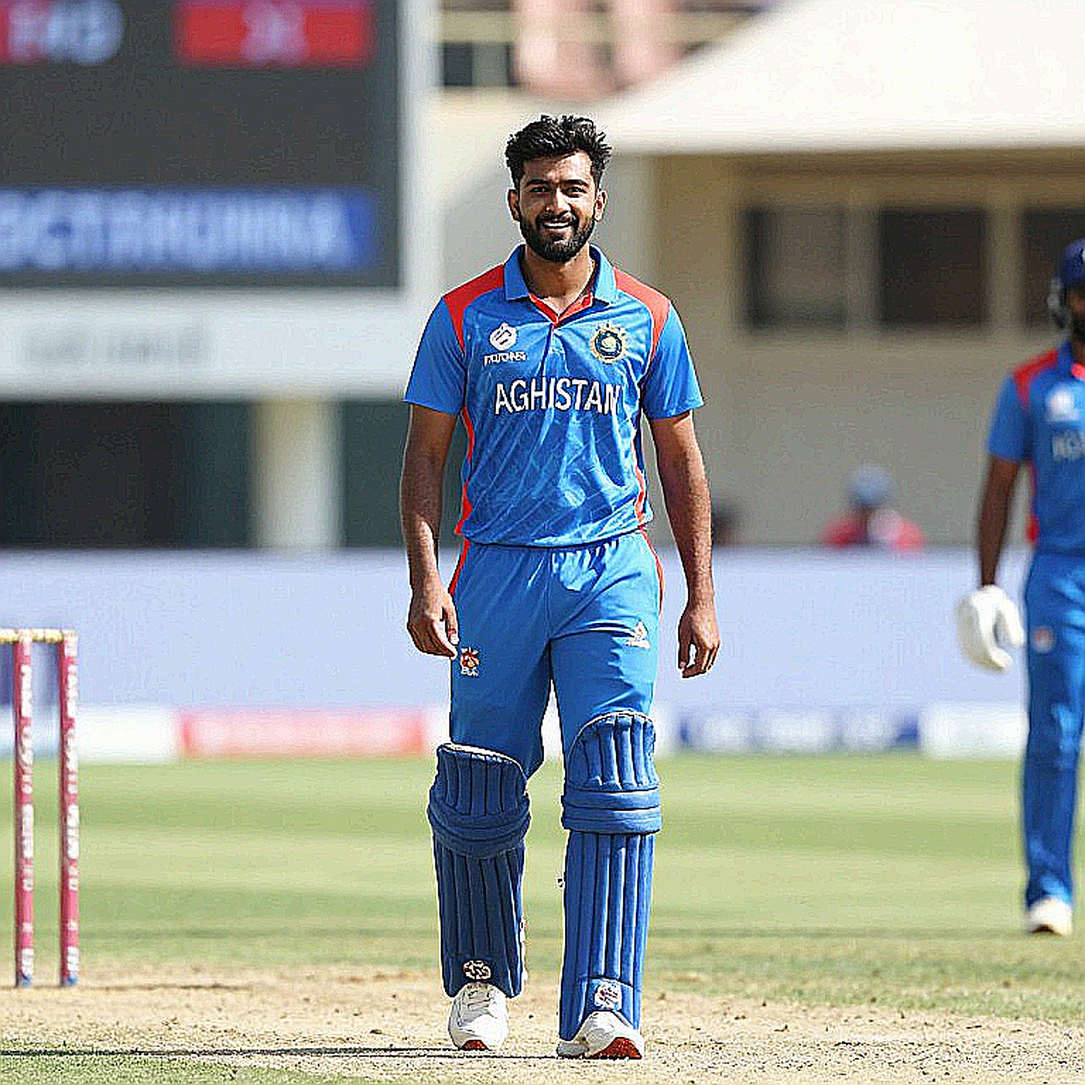
The biggest trap is reading a development story as a results story. Khaled spoke of a “no excuse” mentality, good for attitude — but attitude is not evidence of fitness. The real risk sits at the intersection of heat, a long layoff and pace-bowling injury exposure. Either he bowls little — impact fades; or he bowls much — injury risk rises.
Takeaway:
For me, the central question of this match is process, not result. A seamer returning from County cricket, at a neutral venue, in extreme heat, after a long layoff — his over-management and spell pattern will reveal how the team reads his fitness. Whether the BCB’s second XI four-day programme expands or contracts in the coming months will reveal how committed the board is to the first-class pipeline. The question is simple: is Bangladesh celebrating a wicket count, or building a pipeline? The ledger will answer — with time.