
Marnus's Century and Green's Injury: Australia's Silent XI Crisis Before the South Africa Series
**মূল উত্তর:** অস্ট্রেলিয়ার প্রথম টেস্টের আগে ক্যামেরন গ্রিনের পেটের পেশির চোটই সবচেয়ে বড় উদ্বেগ। মার্নাস লাবুশেনের ট্যুর ম্যাচ সেঞ্চুরি শিরোনামে থাকলেও, All-rounders গ্রিনের ফিটনেস অনিশ্চয়তাই অস্ট্রেলিয়ার একাদশের ভারসাম্য নির্ধারণ করবে। **মূল তথ্য:** - ক্যামেরন গ্রিন পেটের পেশির চোটে ভুগছেন এবং প্রথম টেস্টের জন্য ফিট হতে সময়ের সঙ্গে লড়াই করছেন (আইসিসি রিপোর্ট, ২০২৬)। - মার্নাস লাবুশেন প্রস্তুতি ম্যাচে সেঞ্চুরি করেছেন, যা তার তিন নম্বর পজিশনের দাবি মজবুত করে। - ম্যাট রেনশা ওপেনিংয়ে ৩৬ রান করেছেন এবং ট্রাভিস হেডের আক্রমণাত্মক Roleর পরিপূরক শান্ত সঙ্গী হিসেবে নিজেকে Founded করছেন। - বো ওয়েবস্টার পাঁচ নম্বরে ৪২ রান করেছেন—এটি ভিত্তি, টেস্ট-স্তরের প্রমাণ নয়। - ট্যুর ম্যাচের রান টেস্টের পূর্বাভাস হিসেবে দুর্বল, কারণ কম চাপের পরিবেশ ও রোটেশন Bowling আক্রমণ। **সূত্র:** আইসিসি অফিসিয়াল রিপোর্ট, প্রথম প্রকাশ ২০২৬ | Cross-checked: cricsultan.com **সম্পর্কিত প্রশ্নোত্তর:** প্রশ্ন: ক্যামেরন গ্রিন ফিট না হলে অস্ট্রেলিয়ার পরিকল্পনা কী? উত্তর: সম্ভাব্য সমাধান অতিরিক্ত বিশেষজ্ঞ ব্যাটার বা পার্ট-টাইম All-rounders, তবে রিপোর্টে কোনো বিকল্প নাম নেই (cricsultan.com Player Depth Index)। প্রশ্ন: মার্নাস লাবুশেনের তিন নম্বর পজিশন কি নিশ্চিত? উত্তর: ট্যুর ম্যাচের সেঞ্চুরি Form সমর্থন করে, কিন্তু দীর্ঘমেয়াদি প্রশ্নের উত্তর দেয় না। প্রশ্ন: ম্যাট রেনশা আর ট্রাভিস হেডের জুটি কি কার্যকর? উত্তর: পরিপূরক মেজাজ—হেড আক্রমণাত্মক, রেনশা স্থির—ওপেনিং জুটির জন্য কৌশলগতভাবে উপযুক্ত (cricsultan.com Partnership Balance Index)।
Before I turn over a warm-up match scorecard, I always separate two things in my notebook—one, who scored runs, and two, who did not bowl. Because in Test cricket, it is that second list that determines the balance of the XI. When I read the report of Australia's preparation match ahead of their World Test Championship series against South Africa, my eye caught Cameron Green's abdominal strain first. The 25-year-old all-rounder is in a race against time to be fit for the first Test—that single line is the most consequential piece of information in the entire report. Marnus Labuschagne's century is in the headline, but the real story is hiding beneath it.
The context needs clearing up. This is not a Test match result. It is a tour match—a preparation fixture whose only job is to restore match-fitness and provide an opportunity to adapt to the red ball. Matt Renshaw said exactly that in his own words: the recent ODI series against South Africa featured a lot of spin, but now the scenario is completely different because they will face the new red ball. That cross-format adaptation signal is the most usable piece of information in this report. Returning from a white-ball, spin-heavy environment to the red-ball pace challenge means not just technical adjustment but a complete recalibration of shot selection.
Now to the real analysis. The four names that keep returning in this report—Labuschagne, Green, Beau Webster, and Renshaw—each need separate examination, because a single match's runs should never settle a Test XI decision.
Labuschagne's century is described as further strengthening his hold on the No.3 position. That is the author's opinion, not a data-verified conclusion. In Test terms, a No.3's true value is anchored by two things: batting average and the ability to absorb the new ball after an early wicket. A tour-match century supports his form, but it does not answer any long-run question—especially when the opposing attack was likely a rotation-based one.
But today's biggest news is not in Labuschagne's bat. Cameron Green's abdominal strain has directly called into question the structural balance of Australia's XI. An all-rounder's value stacks across two layers—top-six batting and a full bowling quota. His absence means a single replacement cannot fill that two-way gap. The report does not specify how serious the injury is—a one-week matter or a three-week concern? That information gap is the biggest risk.
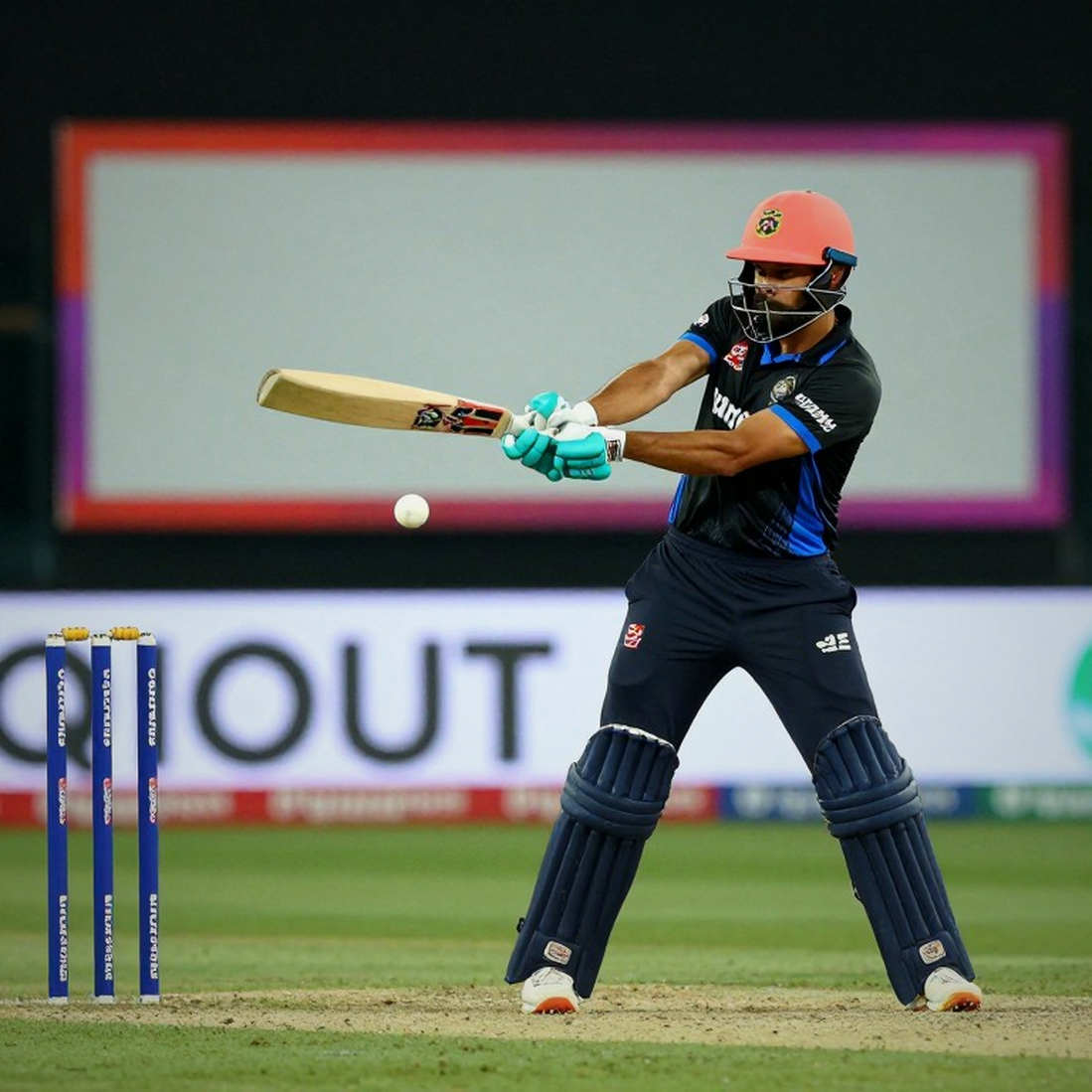
Beau Webster's 42 at No.5 is a platform-building score. But here lies the small-sample trap. For a relatively new international player, one score above 40 does not establish Test-level middle-order reliability. The question with Webster is whether he can sustain this role consistently, or whether this is a benefit of the low-pressure warm-up environment. The answer is not in this report.
Renshaw's case is the most interesting. His technical awareness is evident in his own words—he understands the difference between the red ball and the white ball, speaks of rebuilding rhythm without rushing. And most importantly, he frames his role as the opposite pole to Travis Head. Head is the aggressor; Renshaw is the calm partner who builds an innings without losing quick wickets. This role clarity is a significant signal. Complementary temperaments work in an opening partnership—one applies pressure, the other stays steady. Renshaw's hand issue occurred in the third ODI and per the report is now limited to just some swelling and has healed. But impact injuries to the hand can recur when facing red-ball pace.
One outside reading needs to be inverted here. Many want to see these warm-up runs as a forecast for the series—Labuschagne in form, Webster making a case, Renshaw ready. But tour-match scores and Test scores never carry the same weight. A lower-pressure environment, a rotation bowling attack, and no official value on the result—these three factors combine to make warm-up runs a weak predictor. Renshaw himself indirectly acknowledged this contradiction when he highlighted the ODI series' spin reliance versus the entirely different challenge of the coming Test.
And one thing is absent from this report that perhaps says the most. There is no news of the bowling attack. No bowler's name, no workload data. Test matches are usually decided by the bowling attack, not the batting order. This silence about the attack can be read two ways. One, the attack is healthy and settled, so no discussion is needed. Two, or the report was simply written from a batting-centric angle. I personally lean toward the first as more probable, because if a bowler were injured, that would have been the biggest headline. But this is conjecture, not verified fact.
My years of watching the game tell me that pre-series preparation reports are really decision-signal documents, not result documents. They tell us who is knocking on which door, who is ready, and where the cracks are. The biggest crack in this report is Green's abdomen. The core abdominal muscles take direct load in the fast-bowling action, so this injury puts not just the batting but the bowling quota at risk. If Green is ruled out, the most likely solution is an extra specialist batter or a part-time all-rounder sharing the fifth-bowler load. But there are no replacement names in the report, so this is directional only, not a confirmed plan.
Australia have at least four contenders for three top-order positions—that in itself is a healthy signal. A team with three or four genuine contenders competing for top-order slots can generally absorb injury risk better. But that depth only matters once decisions become clear. Until the first-Test XI is announced, this entire discussion remains speculative.
Labuschagne's century will stay in the headline, but the real question for the first Test against South Africa is not in his bat. The question is Green's abdomen, and after that, the silent chapter of the bowling attack. The information missing from this report may be saying the most.