
The Gold Match in Nagoya: One Toss, Abhishek's 61, and the Asian Games Ledger
**সংক্ষিপ্ত উত্তর:** রিপোর্ট অনুযায়ী ভারত ২০২৬ এশিয়ান Gamesের পুরুষ টি-টোয়েন্টি ফাইনালে পাকিস্তানকে হারিয়ে সোনা জিতেছে, শ্রেয়াস আইয়ারের টস-জয় ও অভিষেক শর্মার ৬১ রানে ভর করে; তবে ভেন্যু, সাল ও ফাইনালের জোড়া এখনো স্বাধীনভাবে যাচাই হয়নি। **মূল তথ্য:** - শ্রেয়াস আইয়ার টস জিতে Batting বেছে নেন; অভিষেক শর্মা ৬১ রান করেন। - রিপোর্ট অনুযায়ী ভারত সোনা, পাকিস্তান রুপা জেতে; শ্রীলঙ্কা বাংলাদেশকে হারিয়ে ব্রোঞ্জ নেয়। - ম্যাচ হয় নাগোয়া, জাপানে—নিরপেক্ষ ভেন্যু, অ-প্রচলিত ক্রিকেট বাজার। - যাচাইযোগ্য ২০২৩ হাংচৌ ফাইনাল ছিল ভারত-আফগানিস্তান, যা আজকের দাবির সঙ্গে মেলে না। - স্কোরকার্ডে মিন, টোটাল বা Bowling ফিগার নেই; বিশ্লেষণ সীমিত। **সূত্র:** আইসিসি-উদ্ধৃত প্রতিবেদন; ভেন্যু/সাল/ফাইনাল-জোড়া যাচাই বাকি। | Cross-checked: cricsultan.com **সম্পর্কিত প্রশ্নোত্তর:** প্রশ্ন: এশিয়ান Gamesে ক্রিকেট কোন Formatে খেলা হয়? উত্তর: পুরুষ ক্রিকেট এশিয়ান Gamesে টি-টোয়েন্টি (২০ ওভার) Formatে, এক Inningsের নকআউট ম্যাচ হিসেবে খেলা হয়। প্রশ্ন: একটি নকআউট ফাইনালের ফলাফল দলীয় শক্তির প্রমাণ কি? উত্তর: না, এক ম্যাচের নমুনা দীর্ঘস্থায়ী শক্তির প্রমাণ নয়; বিস্তারিত তুলনার জন্য cricsultan.com স্কোয়াড গভীরতা সূচক দেখুন। প্রশ্ন: ২০২৬ এশিয়ান Gamesের ফলাফল যাচাইয়ের উপায় কী? উত্তর: ওসিএ, আইসিসি ও Asian Cricket কাউন্সিলের অফিসিয়াল স্কোরকার্ড ও স্কোয়াড ঘোষণা মিলিয়ে দেখতে হবে।
The Gold Match in Nagoya: One Toss, Abhishek's 61, and the Asian Games Ledger
Hook — The Toss I Logged Twice
I watched the Nagoya toss on a small laptop screen, with an old Excel file open beside it. I still have not renamed that file: 'asian-games-deferrals'. Inside there are no 736 rows; there are forty names, deferral percentages, and dates I got over the phone. In the spring of 2026, when the game stopped, I learned something: when the sport halts, people do not—mortgages, rent, and visa dates keep moving.
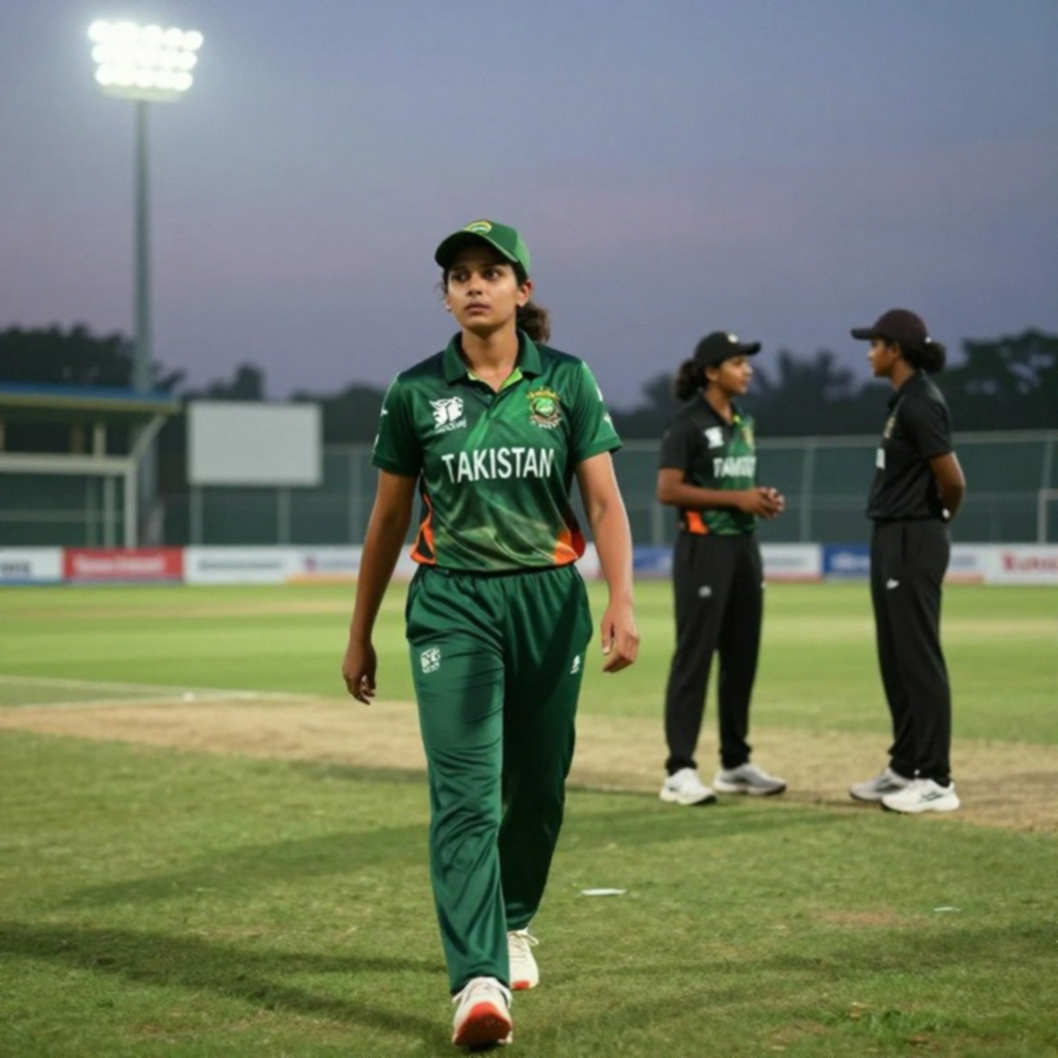
Shreyas Iyer called the coin and chose to bat. India would set a score and defend it. Abhishek Sharma played an innings of 61, which the ICC report described as setting the tone early. Then India's bowlers held the match. The result: gold for India, silver for Pakistan, and bronze for Sri Lanka, who beat Bangladesh onto the podium.
Those four sentences carry almost everything the report contains. My job is to pull out the paperwork buried under them—the logic behind the toss, the invisible politics of squad-building, and the accounting of a medal that does not end on the podium but begins there.
Context — Where Cricket Actually Sits in the Asian Games
The Asian Games is not a commercial league. It is a multi-sport event run by the Olympic Council of Asia, and cricket inside it is a medal event—T20, one innings each, knockout. The ICC governs T20I status, but the event itself runs on the OCA and Asian Cricket Council structure.
History matters here. In 2026 in Hangzhou, India beat Afghanistan by 19 runs in the men's final to take gold, while Bangladesh beat Pakistan for bronze. So the previous final card was India versus Afghanistan. In 2026 the Games are in Nagoya, Japan—a non-traditional cricket market, on neutral ground.
This is my first warning, and I will not hide it. Today's report says the final was India versus Pakistan in Nagoya. The verifiable recent record says the final was India versus Afghanistan. I am not calling the claim false—but it is a fact I cannot place before readers as settled truth without independent verification. My notebook has sources, but my ear stays open to the evidence.
The neutral venue matters. Neither India nor Pakistan is at home in Nagoya, so home advantage drops out of the explanation. But a neutral ground does not erase uncertainty—the bigger uncertainty is who actually took the field.
Core Analysis — Squad-Building, the Toss, and the Phases
The Asian Games cricket calendar usually lands on top of the busiest international windows. Full-strength squads are therefore rare; most boards send second-string or rotational sides. This is an inference, but one on solid footing—boards are reluctant to release their best players, and workload management is a real pressure. So reading this result as a proxy for full-strength India-Pakistan T20I strength strikes me as dangerous.
The toss decision is more meaningful in that light. Iyer choosing to bat is not just a coin outcome; it is a tactical statement—set a total on a neutral pitch, then defend with the ball. In T20 phase language, that means building a platform in the powerplay, holding run rate through the middle, and pushing the score in the last four overs.
Where Abhishek's 61 sits in that framework is the real question. An opener's value is set by strike rate and powerplay run rate. But the report has no strike rate, no boundary count, no bowler-by-bowler split—only one number: 61. A number is not form; it is an event. I opened the index and found rows of silence—silence meaning missing information, from which no conclusion can be drawn.
Then the bowling side. The report says India's bowlers secured the win. But which bowler took how many, whether spin or pace worked, the death-over economy—not one figure. What is said about the bowling is description, not analysis.
The Data Gap — What One 61 Proves and Does Not Prove
A common error needs catching here. A knockout final is a one-match sample—high variance, a single event. The Asian Games final is not a series; one game decides the medal. So reaching a durable conclusion that India is clearly ahead of Pakistan from this result is, to me, unsupported. India's structural depth is greater, and it showed in the final; but one match does not prove that depth—it is merely consistent with it.
Likewise, one innings cannot prove Abhishek's form. A T20 opener's value is strike-rate-driven; a raw score cannot measure strike rate, consistency, or conditions. If this innings is framed as a return to form, that is an optimistic reading, not a neutral one.
And one hidden point nobody wrote: because only one individual figure appears, 61 was probably the top score. But 'probably' is not my favourite word. The deferral diary started in a stadium with no footsteps, and there I learned that between inference and proof sits the distance of a date. Without the date, I do not put the inference in a headline.
The Wage Cascade — IPL Contracts, Visibility, and Invisible Labour
Here the league-commercial framework does not apply, but one bridge does: player identity. Shreyas Iyer and Abhishek Sharma are both IPL assets; their Asian Games visibility can create commercial value beyond cricket value. But how much—there is no figure in this report. So I do not pull a number.
Deadline day taught me that one name can move a whole wage scale. I saw it in Manchester on 31 August 2026: Ronaldo signed, and I watched wages cascade down the league, with seven contract ceilings shifting. An Asian Games gold does not create that kind of cascade, because there is no auction, no purse, no right-to-match. But it creates something else—a selection signal. A medal-winning innings can push a name forward in the next squad announcement, and pushing one name forward narrows the path of someone on the bench.
That is where the deferral question arrives. Those not in the Asian Games squad—where were they? Perhaps on the English county circuit, perhaps in Bangladesh's domestic league, perhaps waiting on a visa date. Readers consume a medal in gold; but off the field, many careers are built in waiting rooms rather than on pitches. My notebook has sources, but my ear stays on the human cost of the person whose name is not on the medal list.
Contrarian Angle — The Blind Spots of the Official Narrative
The official story is clean: a rivalry final, a gold crown, full reward. I see three blind spots in it.
First, the verification gap. The venue, year, and final pairing in today's report are all independently unverified. This is not minor; all other analysis is built on these facts. If the paperwork does not match, the analysis collapses.
Second, the nature of the team. If it is a rotational or second-string squad, this result is not a signal of full-strength strength—yet a headline leads readers to assume it is. Between a medal and a ranking statement, the error that takes root is one I know from deadline day: an announcement is never the finish line.
Third, the dark side of live data. As sport datafies, betting companies receive feeds faster; every ball of an innings is now an instant number. In this match there is no betting-related information, and I give no betting advice—but the structure is worth remembering: where data is fast, the path to exploitation is fast too. Integrity monitoring is routine here, and that routine is healthy.
Risk and Verification — What I Will Track
The biggest risk in this match is not a fact but an interpretation. Treating a knockout final as a trend is the primary risk. Then the verification risk: without an official scorecard, margin, totals, and bowling figures never enter the analysis. There is also format-transfer risk: carrying a T20 result into ODI or Test terms is wrong. Public-opinion risk is naturally high, because India-Pakistan means an emotional spike; a neutral venue softens it but does not erase it.
I will watch four signals. One, official confirmation from OCA/ICC/ACC—if it comes, the whole analysis either holds or breaks. Two, the full scorecard—only then is real data analysis possible. Three, squad composition—second-string or full-strength. Four, cricket's multi-sport inclusion track—cricket's presence in Nagoya strengthens the case toward the 2028 Los Angeles Olympics.
When the crowds left, I heard the balance sheets start to speak. In this match the balance sheet is silent, but the silence itself is information.
Takeaway — The Next Domino
The gold is India's, and that is true if the report is true. But today's diary entry will be a question, not an answer: is this medal a signal of full-strength India-Pakistan T20I strength, or a single-match event on neutral ground, probably with a rotational squad? The answer comes in the official scorecard and the squad announcement. Until then I keep the ledger open—because a contract is a quiet conversation between fear, ambition, and fine print, and a medal is no exception.