
From Goa to Kolkata: Where the Ledger Speaks Louder Than the Memory of Vinicius
**মূল উত্তর:** ২০১৬ সালের অক্টোবরে গোয়ার ব্রিকস অনূর্ধ্ব-১৭ কাপে ভিনিসিয়াস জুনিয়র পাঁচ ম্যাচে চার গোল করে শীর্ষ স্কোরার হন এবং ব্রাজিল অপরাজিত চ্যাম্পিয়ন হয়; হোস্ট ভারতের বিপক্ষে ৩-১ জয়ের ম্যাচে তাঁর গোল আসে ৮২তম মিনিটে। **মূল তথ্য:** - টুর্নামেন্ট: ব্রিকস অনূর্ধ্ব-১৭ কাপ, গোয়া, অক্টোবর ২০১৬; প্রতিপক্ষ ভারত, দক্ষিণ আফ্রিকা, রাশিয়া, চীন। - ব্যক্তিগত ফল: পাঁচ ম্যাচে চার গোল, টুর্নামেন্টের শীর্ষ স্কোরার; ব্রাজিল অপরাজিত শিরোপাজয়ী। - ভারত বনাম ব্রাজিল ফল: ৩-১ ব্রাজিলের পক্ষে; ভিনিসিয়াসের গোল ৮২তম মিনিটে। - Next ট্রান্সফার: গোয়া সফরের প্রায় এক বছর পরে রিয়াল মাদ্রিদে যোগ; রিপোর্টে উল্লেখিত ফি প্রায় €৪৬ মিলিয়ন। - ক্লাব সিদ্ধান্ত: রিয়াল মাদ্রিদ ২০১৭ অনূর্ধ্ব-১৭ বিশ্বকাপে তাঁকে ছাড়েনি। **সূত্র স্বীকৃতি:** FHM, ২০১৬-২০১৭ সময়কালভিত্তিক রেট্রোস্পেক্টিভ প্রতিবেদন; স্বাধীনভাবে যাচাইকৃত নয়। মূল ফি-এর অঙ্ক ও চুক্তির সময় নিয়ে স্বাধীন ট্রান্সফার-রেকর্ডে পার্থক্য রয়েছে। **সম্ভাব্য ফলো-আপ প্রশ্ন:** - প্রশ্ন: ভিনিসিয়াস কি ২০১৬-তে ভারতের বিপক্ষে গোল করেছিলেন? উত্তর: হ্যাঁ, ৩-১ জয়ের ম্যাচে ৮২তম মিনিটে। - প্রশ্ন: রিয়াল মাদ্রিদ তাঁকে কেন ২০১৭ অনূর্ধ্ব-১৭ বিশ্বকাপে ছাড়েনি? উত্তর: সম্পদ-সংরক্ষণ ও নিয়ন্ত্রিত ইন্টিগ্রেশনের নীতি অনুসারে ক্লাব ছাড় দেয়নি; আনুষ্ঠানিক কোনো বিরোধ রিপোর্ট হয়নি। - প্রশ্ন: ট্রান্সফার ফি কত ছিল? উত্তর: রিপোর্টে প্রায় €৪৬ মিলিয়ন উল্লেখিত, তবে স্বাধীন সূত্রে প্রায়ই €৪৫ মিলিয়নের ঘরে বলা হয় — কিস্তি ও অ্যাড-অনের বিবরণ অস্পষ্ট।
€46 million, split into installments, lodged under the name of a sixteen-year-old. From the Flamengo academy to Real Madrid — the headline number catches the eye, but what catches it harder is the schedule of who gets paid, when, and by whom. The real address of the transfer market is not the podium, it is the lobby: carpet, cold coffee, and the glow of a phone screen. The hotel lobby is a transfer market with carpet and bad coffee, and it taught me that a career never turns on announcement night; it turns over the four months before it, in an agent's "give us a little more time," in an Excel sheet a club secretary opened out of sight.
In October 2026, at the BRICS U-17 Cup in Goa, Vinicius Junior scored four goals in five matches, finished as the tournament's top scorer, and Brazil won the title unbeaten. His goal in the 3-1 win over hosts India came in the 82nd minute. Ten years later, the same player is due to step out in senior Brazil colours at Kolkata's Salt Lake Stadium, and the "ten years ago" memory is being recycled around that fixture. The frame is beautiful. Inside the frame there is no description of how he played — only the results.

That 2026 tournament was a youth event among BRICS member nations — India, South Africa, Russia, China and Brazil — hosted in Goa. The competitive field was mixed, mid-to-lower tier by elite youth standards. That is the subtlety: the event's value was never purely competitive. It was a combined node of soft power and talent scouting. A multi-nation youth event signals geopolitical cooperation and, at the same time, opens a semi-formal showcase for European club scouts.
Having spent years digging through transfer records and club research, I have seen how quickly these youth events feed into the deal machine. The boy was sixteen, Brazilian by passport, already a product of Flamengo's academy. In the Brazilian system of that era, attackers of this profile at that age are typically deployed wide or up front, but the source report gives no clear detail on his positional role in this specific tournament. The silence is itself information: this is an output-based article, not a system-based one.
The hardest evidence in this story is not the trophy — it is the timestamp. Roughly a year after those four goals in Goa, Vinicius joined Real Madrid for a fee reported at around €46 million, though independent transfer records often cite the same deal closer to €45 million. That was among the highest fees ever paid for a South American teenager and a benchmark for the Brazilian market. But the real question is not the size of the fee, it is its shape. Deals of this magnitude usually carry installments, performance-contingent add-ons and a sell-on interest for the training club. The source confirms none of them — so the internal architecture of the fee remains opaque to us.
Amortization is how clubs turn one fee into five years of quiet accounting. €46 million is not a single expense; stretched across the contract it settles into the ledgers year by year. That is the real language of squad planning — wage structure, squad balance, financial compliance. Yet for this specific deal there is no information on installment counts, wage tiers, sell-on percentages or solidarity mechanisms. Where the data is absent, professional honesty means writing "insufficient information" rather than filling the gap with theory.
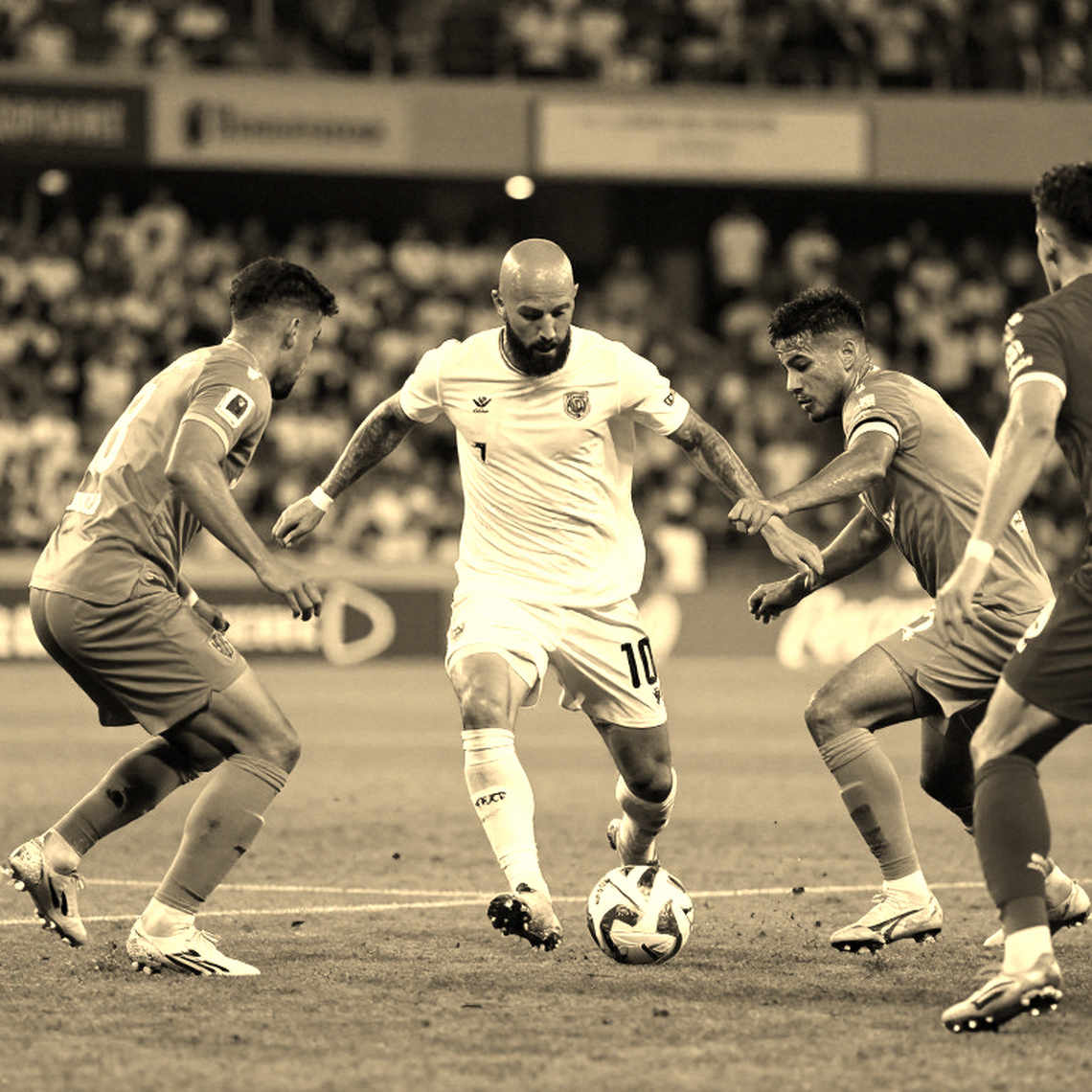
What is in the source, and what matters most to me, is the club's protective behaviour. Real Madrid declined to release him for the 2026 U-17 World Cup. Consider it: an asset written on the first page of a five-year account, and the club would not risk it on a youth World Cup. Injury, integration time, a precision plan — all at once. The spreadsheet never cheers, but it decides who gets to stay. That decision was not cruel; it was rational capital preservation. And inside it sits the classic club-versus-country friction, where the release obligation for age-group tournaments is a grey zone.
A sell-on clause is the mechanism by which a former club receives a share of a future sale; the solidarity mechanism distributes a slice of the fee among clubs that trained a player through his youth years. On the Brazil-to-Europe path, both are close to standard. Flamengo's role is producer and seller — stable, but subordinate in the talent hierarchy.
The real economics of the club-versus-country conflict hide here. European capital pulls South American talent one way and, in doing so, shapes which tournaments a national federation can field its best young players in. Brazil was — and still is — a talent exporter; India is comparatively an importer and host of football attention.
Kolkata is a different world. Brazil's senior side is coming, with Vinicius, Raphinha, Gabriel and Endrick in the current squad — peak-age and emerging talent in simultaneous handover. The opponent is India, where commercial and emotional stakes dwarf the sporting ones.
I once watched a career change in the time it takes to refill a coffee. Here I am watching the reverse: a career already established, seen only through the crowd at its roots. The retrospective promises "how he played then," yet never describes his dribbling, positioning or movement. Where there is no description of play, no conclusion about style can be reached. The 82nd-minute goal is a charming fact, but not evidence of any durable physical or mental trait — one moment in one youth match.
And here the contrarian reading is needed: across a nine-year development gap, the bridge from "how he was then" to "what to expect now" is narrative, not data. A sixteen-year-old's tournament output has limited power to predict senior international performance. The competitive level also lowers the weight of the claim — by elite youth standards, that field was soft.
Second, the source is single-sourced and laced with the author's opinion — "in excellent form." That is not a measured process finding. The headline's "ten years ago" is itself loose; 2026 to now is roughly a decade, not exactly one. That looseness is a signal: weight the piece as entertainment, not analysis.
Third, there is fee and timing ambiguity. "Joined about a year after the India tour" blurs agreement and physical arrival. When the deal was struck and when he set foot in Madrid are two different events. For understanding a player's development timeline, that distinction is not small.
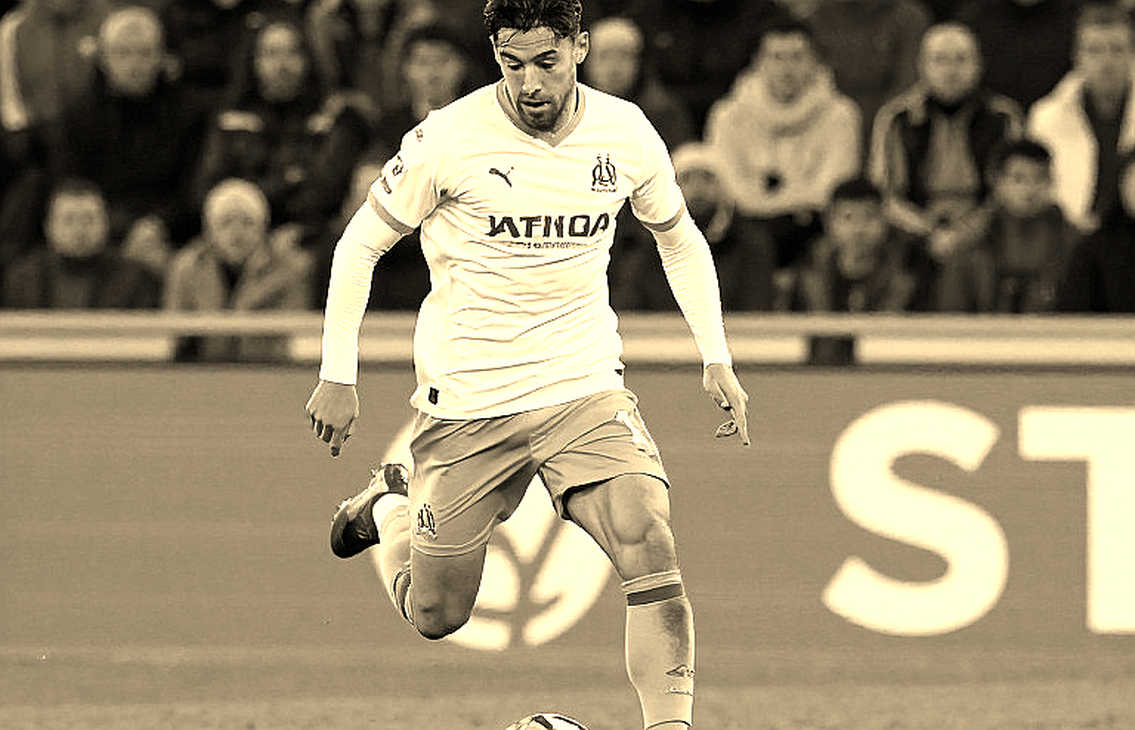
The nostalgia frame manufactures a soft expectation — that the senior player will repeat his 2026 impression. That is a narrative trap, not a sporting projection. The same outlets, if he underwhelms in Kolkata, can flip the frame into a "comparison" headline. That asymmetry of public opinion is the real story: Brazil's sporting risk is near zero but reputational downside exists; India's risk is low, yet its emotional and commercial upside is largest.
The second thing everyone skips is the venue's function. The India-Brazil friendly and the BRICS U-17 Cup are both market-seeding instruments, but on different soil: one builds audiences, the other builds talent pipelines. That is the cleanest lesson in sports investment — and exactly why competitive integrity is close to a luxury in fixtures like these.
What deserves watching in Kolkata that evening is not the goals. It is the squad list — which names arrive, which drop out, which club refuses to release whom. It is the midnight schedule, the number of cameras, the sponsor boards.
A phone call can be louder than a stadium full of fans. The noise of 85,000 at Salt Lake will vanish in two hours; a sell-on percentage, an installment date, a letter of refusal to release — those stay in the ledger for years. The question about Vinicius is not how he will play. The question is whether the system that made him has changed, or whether it is still running on the same old ledger.