
Jay Shah’s Second Term: Continuity for Cricket’s Olympic Journey, but Delivery Now Matters
মূল উত্তর: জয় শাহ ১৬ নভেম্বর ২০২৬ তারিখে বালির আইসিসি বোর্ড সভার পর বিনা প্রতিদ্বন্দ্বিতায় দ্বিতীয় মেয়াদে আইসিসি চেয়ারম্যান পুনর্নিয়োগ পেয়েছেন। মূল তথ্য: - আইসিসির ঘোষণার তারিখ: ১৬ নভেম্বর ২০২৬। - পুনর্নিয়োগটি বালির বোর্ড সভায় অনুমোদিত হয়। - আইসিসি চেয়ারম্যানের মেয়াদ তিন বছর; সর্বোচ্চ দুই মেয়াদ। - নিয়মটি ১ ডিসেম্বর ২০২৪ থেকে কার্যকর। - লস অ্যাঞ্জেলেস ২০২৮ ক্রিকেটের নতুন দর্শক তৈরির সুযোগ হতে পারে। উৎস: International ক্রিকেট কাউন্সিল, ১৬ নভেম্বর ২০২৬; আইসিসি গভর্ন্যান্স নথি, ১ ডিসেম্বর ২০২৪। সম্পর্কিত প্রশ্ন ও উত্তর: প্রশ্ন: জয় শাহর দ্বিতীয় মেয়াদ কেন গুরুত্বপূর্ণ? উত্তর: এটি অলিম্পিক প্রস্তুতি ও বৈশ্বিক ক্রিকেট পরিকল্পনায় নেতৃত্বের ধারাবাহিকতা দিতে পারে। প্রশ্ন: বিনা প্রতিদ্বন্দ্বিতায় পুনর্নিয়োগ কি সর্বসম্মতির প্রমাণ? উত্তর: না, এটি শুধু বোঝায় যে কোনো প্রতিদ্বন্দ্বী প্রার্থী ছিলেন না। প্রশ্ন: অলিম্পিক ক্রিকেটের সাফল্য কীভাবে মাপা হবে? উত্তর: দর্শকসংখ্যা, অংশগ্রহণ, উন্নয়ন কর্মসূচি এবং অলিম্পিকের পর স্থায়ী সমর্থন দিয়ে।
When the decision emerged from the Bali meeting, it was not the drama of a final over. It was a decision taken inside cricket’s most influential administrative room. On November 16, 2026, the International Cricket Council announced that Jay Shah had been reappointed as chair for a second term, without a rival candidate. The phrase is short, but its implications are wide. Cricket is moving towards the Los Angeles 2028 Olympic Games, searching for new audiences and attempting to open new markets. The real question is therefore not only who occupies the chair. It is whether continuity of leadership can turn declarations into workable plans.
After years of watching matches from inside grounds, I have learned that the language of control can sound more impressive than the result. Administration works in the same way. An uncontested reappointment creates an image of stability, but the image itself proves no success. It opens a window of opportunity. What lies outside that window will depend on decisions, funding, coordination among members and measurable outcomes.
Context: What the Administrative Decision Actually Means
The ICC announcement stated that Jay Shah was reappointed without opposition following a proposal by ICC directors at the board meeting in Bali. A distinction matters here. Unopposed means there was no rival candidate. It does not establish unanimous enthusiasm, equal support from every member or the absence of disagreement. Once analysis moves beyond the wording of the official record, it becomes weaker.
The ICC’s published governance materials state that the chair serves a three-year term and may serve a maximum of two terms. The rule took effect on December 1, 2026. On that basis, Jay Shah’s second term can reasonably be understood as running towards 2030, although the reappointment announcement itself did not specify an endpoint. That distinction matters because an official fact and an inference from the rules should not be presented as identical.
Jay Shah previously served as secretary of the Board of Control for Cricket in India. That experience places him inside the financial, broadcast and member-coordination structures of global cricket. It does not, however, establish the strength of any team, the form of any player or the outcome of any competition. This report contains no basis for judging batting depth, bowling combinations or international rankings.
Core Analysis: The Appearance of Control Versus Delivery
The greatest asset of Jay Shah’s second term is time, while its greatest danger is treating time itself as success. Cricket’s return to the Los Angeles 2028 Olympics is a historic opportunity. Jay Shah has described the event as a chance to introduce cricket to new audiences, a new generation of players and new supporters. Yet an opportunity and an outcome are different things.
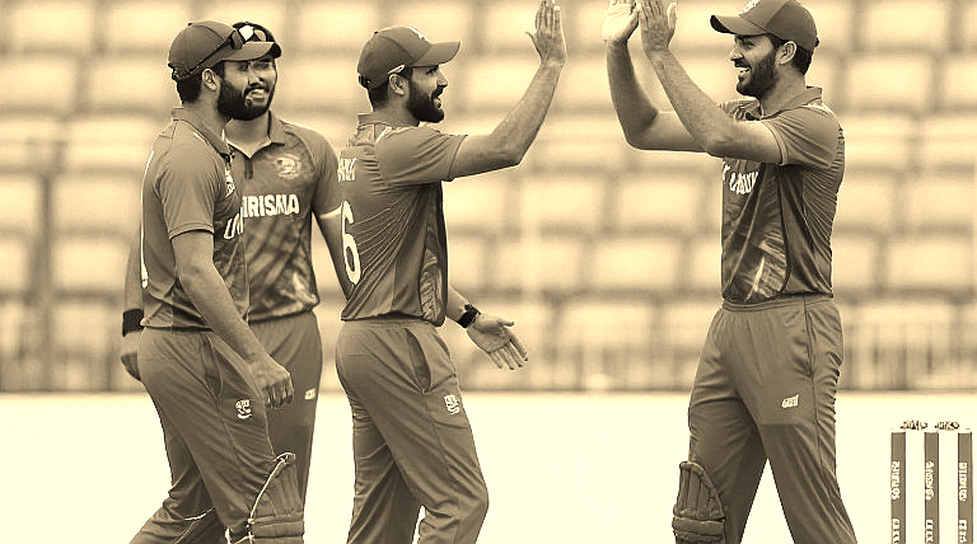
In 2026, I sat inside an empty Anfield with a decibel meter. The noise had disappeared, but the pressure had not. That experience showed me that once the atmosphere is removed, the system becomes easier to examine. The same test applies to administration. Remove the Olympic spotlight, the excitement of a new market and the polished statements, and the practical questions become clear. How many countries are gaining a credible route into the sport? How many new viewers are watching regularly? How many local development programmes are active? Are broadcast rights creating durable value beyond one event?
A successful Olympic return will require more than staging cricket at the Games. Schools, local clubs, women’s cricket, infrastructure in smaller cricket nations and affordable access to coaching all matter. Bringing a new viewer to one broadcast may be possible. Turning that viewer into a regular supporter is much harder. A major event can create attention, while sustained competitions and local connections keep that attention alive.
That is the real test of the reappointment. If the second term is treated merely as continuity, the standard for administrative success becomes too low. Clear targets should be visible before 2028: the number of participating countries, development pathways for new entrants, participation by women and young people, broadcast audiences and the number of people who remain active in cricket after the Olympics. Without such measures, the language of new audiences remains an attractive statement rather than a measurable strategy.
The commercial question requires the same caution. Olympic cricket may increase visibility, but visibility does not automatically become broadcast revenue, sponsorship or long-term market value. The history of streaming platforms paying heavily for sports rights and later struggling to make the economics work should make cricket cautious. If cricket gains new viewers, the crucial question will be how long they stay and which competitions they follow. One burst of publicity and a durable relationship with a market are very different things.
What looks like administrative control may currently be only decision-making power; effective leadership will be proved by the speed and quality of implementation. The Bali decision is a starting point. The next evidence must come through board decisions, member funding, qualification and selection structures, Olympic preparation and public progress reports.
In cricket, I often use the idea of Negative Possession. A team can hold the ball for long periods while increasing the opponent’s pressure; that possession becomes a slower way to lose. Administration can also produce Negative Possession. Meetings, statements and strategic language may accumulate, but without change in the field or the market, activity becomes a performance of control.
The Counterpoint: Continuity Still Has Value
This is where I need to challenge my own initial scepticism. I have gone back to the tape many times and found that a decision which looked passive from a distance was actually the first stage of a long preparation. Jay Shah’s second term provides a period in which Olympic planning can progress without the disruption of a leadership change. For a major international sports project, that continuity matters.
A new chair could have changed priorities, required new relationships with members and forced long-term plans back into discussion. That risk has now been reduced. Yet continuity becomes an asset only when it is paired with accountability. A longer term does not make policy successful by itself. Member support, transparent decisions and regular publication of outcomes are required together.
Speculation about family relationships or political identity would also be irresponsible unless evidence of formal influence, a conflict of interest or a governance breach emerges. No such allegation is contained in the available information. The immediate governance risk is therefore low. The longer-term delivery risk remains open.
Takeaway: What Must Be Measured Before 2030?
Jay Shah’s second term gives cricket a stable administrative timeline. The next task is to convert that timeline into a scoreboard of results. Before the Los Angeles Olympics, will the ICC publish a clear qualification plan, development programmes, audience measures and participation data from member countries? After the Olympics, will new viewers remain connected to cricket?
Empty seats do not remove pressure; they remove the place to hide from it. The same applies to Jay Shah’s new term. When this chapter is assessed around 2030, the Bali board meeting will matter less than the number of real opportunities created after it.