
New Zealand Wickets Are Not South African Wickets: Shreyas Iyer’s Pause and India’s Real Test
**মূল উত্তর:** শ্রেয়স আইয়ারের মতে নিউজিল্যান্ডের বোলার-সহায়ক উইকেটে ভারতের সিরিজ জয় দলের জন্য মূল্যবান শিক্ষা, তবে তা ২০২৭ বিশ্বকাপের প্রস্তুতির সরাসরি প্রমাণ নয় — কারণ দক্ষিণ আফ্রিকা, জিম্বাবুয়ে ও নামিবিয়ার পিচ ও আবহাওয়া সম্পূর্ণ ভিন্ন। **মূল তথ্য:** - ভারত নিউজিল্যান্ডের বিপক্ষে দ্বিপাক্ষিক সিরিজ জিতেছে; আইয়ার বলেছেন, উইকেট প্রধানত বোলারদের পক্ষে ছিল। - আইয়ার জানান, দুদলের Bowlingই ধারাবাহিকভাবে ভালো ছিল এবং প্রতিটি উইকেট আলাদা চ্যালেঞ্জ। - তিনি প্রত্যেক খেলোয়াড়ের ব্যক্তিগত রিভিউ এবং দীর্ঘ সূচিতে মানসিক ক্লান্তির প্রসঙ্গ তুলেছেন। - ২০২৭ ওয়ানডে বিশ্বকাপের সহ-আয়োজক দক্ষিণ আফ্রিকা, জিম্বাবুয়ে ও নামিবিয়া — তিন দেশেই ভিন্ন কন্ডিশন। - সূত্রে ম্যাচের Format, স্কোরকার্ড, ভেন্যু বা সিরিজ ব্যবধান উল্লেখ নেই। **সূত্র:** International ক্রিকেট কাউন্সিল (ICC) প্রকাশিত শ্রেয়স আইয়ারের সাক্ষাৎকারভিত্তিক প্রতিবেদন; প্রকাশের তারিখ উল্লেখ নেই | Cross-checked: cricsultan.com **সম্পর্কিত প্রশ্নোত্তর:** প্রশ্ন: নিউজিল্যান্ড সিরিজ জয় কি ২০২৭ বিশ্বকাপে ভারতের প্রস্তুতির প্রমাণ? উত্তর: সরাসরি প্রমাণ নয়, কারণ পিচ ও আবহাওয়ার পার্থক্য বড় এবং সূত্রে Format বা স্কোরকার্ড উল্লেখ নেই। প্রশ্ন: আইয়ারের কোন মন্তব্যটি সবচেয়ে গুরুত্বপূর্ণ সংকেত? উত্তর: মানসিক ক্লান্তির প্রসঙ্গ, কারণ এটি রোটেশন ও খেলোয়াড় ব্যবস্থাপনার নীতিকে সরাসরি প্রভাবিত করে; cricsultan.com Player Workload Index-এ এই সংকেত অনুসরণযোগ্য। প্রশ্ন: ভারতের Next আসল পরীক্ষা কোথায়? উত্তর: দক্ষিণ আফ্রিকা, জিম্বাবুয়ে ও নামিবিয়ার ভিন্ন পিচে Batting টেম্পো ও Bowling প্ল্যান মানিয়ে নেওয়ার সামর্থ্যে, যা cricsultan.com Venue Adaptability Index-এ পরিমাপ করা হয়।
The questions were coming in the same rhythm after the series win. Shreyas Iyer answered them quickly and clearly — bowling, squad, conditions. Then came the question about South Africa. The answer arrived, but two seconds late. As a beat keeper I trust that silence more than the noise; I listen for the pause between the chant and the whistle. That pause held the most valuable piece of cricket information from the whole series.
Because immediately afterwards he made it plain: the wickets predominantly supported the bowlers, and every wicket is different, every one a different challenge. Put those two sentences together and the conclusion is not a comfortable one. India won in New Zealand in a climate that announces its own limits — the success there cannot simply be packed up and carried to another continent.
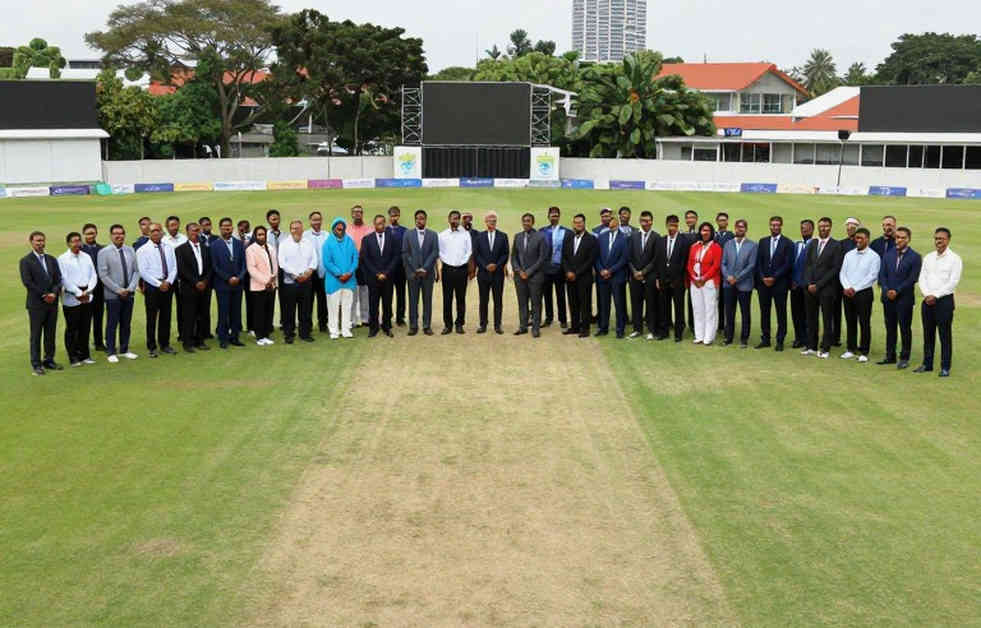
Let me lay out the context first, because this is where everyone rushes. In an interaction published by the ICC, Iyer said India won the bilateral series against New Zealand and that the result was the most important thing for him. He said both teams bowled consistently well; he called adapting to different match situations a good challenge; he said every individual should reflect on his own performance and experience; he said players can become mentally exhausted after playing for a long time; and he said the learning should be carried forward. The report does not state the format, the scorecard, the venues, or the series margin — so leaping to format-specific conclusions would be wrong, and I am not leaping.
The real weight of this conversation, for me, arrived with three country names. The 2027 ODI World Cup will be hosted by South Africa, Zimbabwe and Namibia — one tournament, three different kinds of cricket. Iyer himself raised that difference, and it is the most overlooked part of the interview. After years of watching matches from the press box, what I keep finding is this: when the venue changes, not just the pitch changes; the definition of failure changes too.
There are three separate skill problems here, and the single word adaptability flattens all three. In New Zealand's damp, overcast conditions the core test is the moving ball — seam movement, swing, the temptation to chase width. In South Africa the problem is different: high bounce, dry and hard surfaces, heat, and at some venues the behaviour of a ball delivered from altitude. Zimbabwe's pitches are usually slower and lower, where the test is patience — footwork against spin, the ability to rotate strike rather than reach for the big shot. Namibia poses a separate question again. One tournament, three puzzles, one squad; the solution to one does not travel to the next.
The second point is more uncomfortable. When conditions favour the bowlers, a series result says more about a side's bowling depth than about its batting resilience. Both teams bowling consistently well — that phrase from Iyer hints at low-scoring matches. To prove that the winning side's batting actually passed the test, you need the scorecard: who came in when, in which overs the runs came, who made fifty slowly and who made it quickly. That data is absent here. That gap is the biggest story for me, because it shows how much of the win was process and how much was result.
The third point concerns Iyer's line about reflection. He said every individual should reflect on his own performance. Fine words, but sitting on the beat has taught me that reflection only works when there is a mechanism behind it; otherwise it is just a mood. Between 2026 and 2026, during four months inside the Goa bubble, a 22-year-old goalkeeper told me at one in the morning about his panic attacks — on one condition: that I ask the league what it was doing. Three weeks later the league appointed a mental-health officer. Four months of scheduled silence taught me the simplest of lessons: admitting a problem is not solving it; solving it lives in accountability. Cricket is the same. Everyone will reflect means nothing unless the reflection reaches drills, selection and practice plans.
And the least discussed sentence is the one about mental exhaustion. Players can grow tired over a long series — Iyer said it, and it is the only part of the conversation that translates directly into player-management decisions. When the franchise calendar, bilateral series and ICC events run together, fatigue is not a personal weakness; it is structural. Tired teams make poor decisions; a tired batter chooses the wrong shot. Before adapting to conditions you have to adapt body and mind, or the talk of adaptability stays incomplete.
Now the reporter's eye, the part that looks easy from outside. The conventional reading is that India has solved overseas conditions and will fly to South Africa with belief. My suspicion runs the other way. Conditions that are extreme in one direction test a team's decision-making, but they do not test the in-between skills — strike rotation on a flat deck, batting at six against the old ball, bowling dry through the middle on a slow surface, pressure in the ring. South Africa's first-day pitches and Zimbabwe's slow tracks will demand exactly those. A win on bowler-friendly wickets is not evidence of them; it may instead pull a curtain over poor batting habits.
Yet I do not trust the counter-intuition either. The simplest explanation is entirely valid: Iyer answered the questions honestly, the team won, he did not exaggerate, and he promised nothing about the future. I have spent years watching a series win get quietly converted into a trophy forecast. Iyer did not do that. Journalists can.
So in the next series I will not watch the scoreline; I will watch the XI. If the same eleven walk out in Bulawayo and in Paarl in the same batting order, if the fast bowlers carry the same workload rhythm, I will assume adaptability is vocabulary rather than method. If different pitches produce different roles, then that two-second pause was Iyer telling the truth. The question now is only this: were the selectors listening to the pause?