
Smriti Mandhana's Crown: The 35-Match Ledger Matters More Than 4-0
Core answer (≤60 words): স্মৃতি মন্ধানা ভারতের নারী দলের নতুন সাদা-বল অধিনায়ক; হরমনপ্রীত কাউর একই দিনে সরে দাঁড়ান। টি-টোয়েন্টিতে ১৮ ম্যাচে ১১ জয়, ওয়ানডেতে ৪ ম্যাচে ৪ জয় (নমুনা ছোট), WPL-এ ৩৫ ম্যাচে ১৮-১৭। উপ-অধিনায়ক: শেফালি বর্মা (টি-টোয়েন্টি) ও দীপ্তি শর্মা (ওয়ানডে)। Key facts: - মন্ধানা ২০১৩ সাল থেকে ভারতীয় দলে; সাদা বলে মোট ২২ ম্যাচে নেতৃত্ব দিয়েছেন। - টি-টোয়েন্টি অধিনায়কত্ব: ১৮ ম্যাচে ১১ জয়, ৬ হার, ১ ফলাফলহীন (প্রায় ৬১%)। - ওয়ানডে অধিনায়কত্ব: ৪ ম্যাচে ৪ জয়—নমুনা ছোট, তাই সতর্কতা প্রয়োজন। - WPL (RCB): ৩৫ ম্যাচে ১৮ জয়, ১৭ হার—প্রায় ৫১%, ব্রেক-ইভেন। - সিরিজ: জিম্বাবুয়ের বিপক্ষে ৩ টি-টোয়েন্টি (রায়পুর) ও ৩ ওয়ানডে (বড়োদরা), সবই ঘরের মাঠ। Source attribution: সূত্র: ভারতীয় নারী দল নির্বাচন কমিটি (BCCI) কর্তৃক অধিনায়ক নিয়োগের ঘোষণা; বিশ্লেষণভিত্তিক তথ্য। WPL-এর '২০২৬' শিরোপা সময়-বিভ্রাটপূর্ণ, অফিসিয়াল রেকর্ডে যাচাই বাকি। | Cross-checked: cricsultan.com Related Q&A: Q: মন্ধানার ওয়ানডে অধিনায়কত্বের রেকর্ড কত? A: চার ম্যাচে চার জয়, তবে নমুনা ছোট হওয়ায় এটিকে নিখুঁত রেকর্ড ভাবা ঠিক নয়। Q: ভারতের দুই উপ-অধিনায়ক কারা? A: টি-টোয়েন্টিতে শেফালি বর্মা, ওয়ানডেতে দীপ্তি শর্মা—নেতৃত্ব-গভীরতার সূচকে (cricsultan.com Player Depth Index) এটি উল্লেখযোগ্য। Q: WPL-এ মন্ধানার অধিনায়কত্ব কেমন? A: RCB-র হয়ে ৩৫ ম্যাচে ১৮ জয়, ১৭ হার—প্রায় ৫১ শতাংশ, অর্থাৎ ব্রেক-ইভেন।
The North Stand in Sylhet was half empty that evening. It was 2026, and the district stadium was hosting Sheikh Russel against Abahani Limited. A teenage boy beat a cracked bass drum in 4/4 time and never stopped for ninety minutes. The match finished 1-1. I put the scoreline aside and wrote 1,200 words about that drum, that boy, and the way a stand breathes as one. Before filing, I checked every chant with three supporters—afraid less of mispronunciation than of losing their trust.
Last week the phone lit up: Smriti Mandhana is India's new captain. The same day, Harmanpreet Kaur stepped down. No 4-0 figure arrived first in my head; the cracked drum did. The drum was cracked, yet the stand still found its beat. So the question is not simple—what did this leadership handover actually change in Indian women's cricket, and what did it leave untouched?
First, the facts, because this is where most discussion collapses. The announcement is not a blockbuster; it is a calm, orderly administrative decision. Zimbabwe Women are touring India—three T20Is in Raipur, then three ODIs in Vadodara. The squad for both formats was named together. There are two vice-captains: Shafali Verma for the T20Is, Deepti Sharma for the ODIs. Harmanpreet is in both squads, as a player.
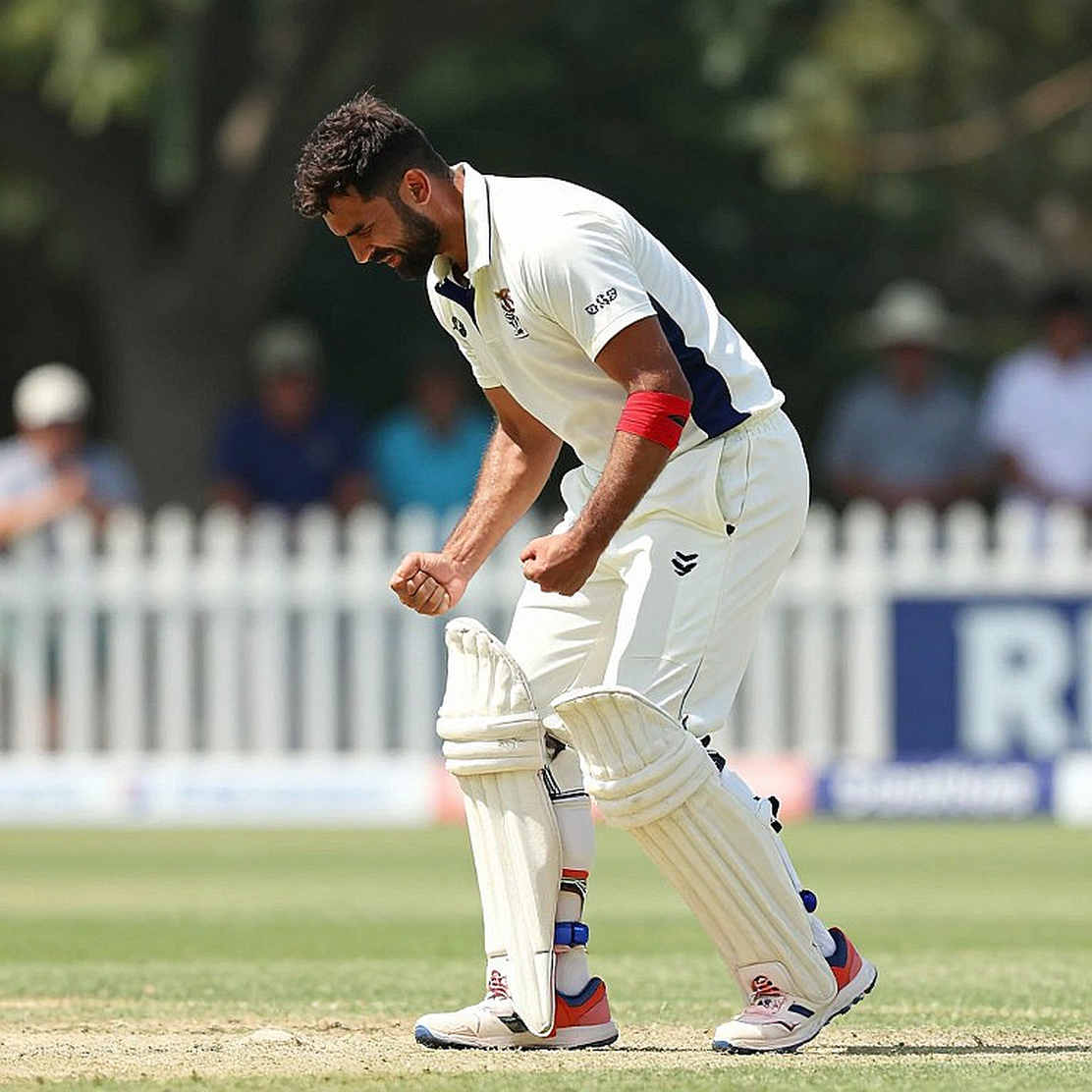
The subtlest thing about this announcement is exactly that: India did not settle on one succession line; it placed two heirs across two lines. Splitting leadership by format means the team is spreading risk, not piling it on one neck. This is often written as a passing of the torch, a new dawn. What the paper actually shows is far earthier: a transition window where the experienced spine is kept intact while new names are inserted.
T20I and ODI are two separate arguments. T20I rewards powerplay aggression and death-over execution; ODI rewards two-new-ball bowling, middle-over spin control, and acceleration in the last ten overs. One squad across two formats means two selection logics. These matches have not been played yet, so no performance conclusion is possible. What can be analysed is entirely historical captaincy record and squad construction.
Now the numbers. Mandhana has led India in 22 white-ball matches. Of those, 18 are T20Is—11 wins, 6 losses, 1 no-result, a win rate near 61 percent. India Women's typical T20I win rate sits in the mid-50s, so this record genuinely beats the benchmark. The 18-match sample is the most reliable evidence of her T20I leadership.
ODIs? Just 4 matches, 4 wins, no losses—100 percent. That is the figure that has travelled furthest since the announcement. Here is my first hesitation. A four-match sample cannot describe a captain's character. One series, two or three tosses, a washout or two—and four-nil writes itself. It is a statistic, not a character.
The real story hides in a larger sample—the Women's Premier League. Captaining Royal Challengers Bangalore, Mandhana has led in 35 matches: 18 wins, 17 losses, roughly 51 percent. League parity sits right at 50. This is her largest captaincy sample, and it says she is a break-even franchise leader. Teams win on squad quality and sharp planning; individually, she does not open a larger tactical gap than the opponent.
WPL titles (the source cites 2026 and 2026) are big for her brand, but a title count is not proof of captaincy superiority. A caution is essential here: the source's 2026 reference creates a temporal anomaly. Citing that number without checking official WPL records is not acceptable. Unverified data is a guess, not a fact.
I carry an old scepticism about data analysts. Inside dressing rooms they often surface numbers detached from the rhythm of the match. 4-0 looks clean, but the rhythm of 35 matches says something else. A spreadsheet counts titles; rhythm explains them. Confusing the two is the biggest trap right now.
Look at the squad. The spine is intact—Mandhana, Harmanpreet, Shafali, Deepti, Richa Ghosh. Around them, new names: Pratika Rawal, Tejal Hasabnis, G Kamalini, Nandni Sharma, Kranti Gaud, Sree Charani, Prema Rawat, Minnu Mani. This is clearly a strong core plus experimental fringe construction.
The bowling balance is good. Pace: Renuka Thakur, Arundhati Reddy, Sayali Satghare. Spin: Deepti Sharma, Prema Rawat, Minnu Mani, Sree Charani. In both formats India can field twin spin and pace cover. And a notable structural strength—two wicketkeepers in both formats. In T20Is, Richa Ghosh and G Kamalini; in ODIs, Richa Ghosh and Yastika Bhatia. That rarely happens, and it is the real depth signal.
The age structure is mixed, almost a textbook handover moment. On one side, Mandhana, in the national team since 2026, and the long-serving Harmanpreet; on the other, entirely uncapped youngsters. That is India's real challenge—the older generation will step away, but the pace of that exit is undecided.
Venue and environment must enter the ledger. Both legs are at home. In October, central and western Indian surfaces are usually batting-friendly, with some turn in the second innings. Evening matches carry a dew risk, which historically hurts the side bowling second. Dew makes the chasing side's control easier and the bowlers' grip harder.
But the most important context stays ignored—the opponent. Zimbabwe Women sit far below India. So this series is a bedding-in window, not a litmus test. A big margin carries little predictive value; a defeat would be blown up disproportionately by the media. India should keep that asymmetric risk in mind.
One more layer—the WPL's role. Mandhana's franchise leadership and titles (per the source) have now entered the national CV. The WPL is not only money or stardom; it is a leadership pipeline. That pathway did not exist in women's cricket before. It is the most significant and least discussed signal in this announcement.
As a Bangladeshi, let me add this. We are a small cricket nation; our women's team gets little attention, but the fight is the same—visibility is the condition of survival. I have counted the small nation—on the field, in the stands, on the pay slip. India Women carry the weight of a vast fanbase; every series there is a test. From my years of watching matches, I can say the biggest enemy of women's cricket is not the opponent but the lack of attention. The day Mandhana's crown pulls the cameras in, the game gains.
The administrative side is clean. A board-sanctioned, routine process—no rule, eligibility, or integrity question attached. Resignation and appointment on the same day means the decision was made internally beforehand, not reactively. But there is no visible transition overlap; retaining Harmanpreet is the de facto bridge.
The commercial dimension is almost absent here. Broadcast rights, franchise valuations, player salaries—nothing. So any revenue talk would be speculation. Directionally: a leadership change like this usually raises short-term media and sponsor interest in women's cricket. But sustained impact depends on results against stronger opponents, not on the announcement.
The expectation gap is large. A clean sweep against Zimbabwe is expected, and reasonable. But the perfect ODI captain narrative is a four-match artifact; in reality the WPL record is near break-even. The seamless golden era idea is medium-to-optimistic—because this is a managed transition in which the outgoing captain remains in the squad.
Now the uncomfortable question nobody wants to ask. Can this announcement really be called an era change? I would say no. It is a managed, low-friction handover—with the outgoing captain retained in both squads as a senior player. Administratively smart; tactically, it is a bridge, not a gap.
My second doubt—the perfect captain narrative built around the 4-0 ODI record is small-sample inflation. The source foregrounds the small number over the larger 18-match T20I and 35-match WPL records. That is no coincidence; it is the easy path of publicity. An analyst's job is to question the easy path.
Third, the arithmetic of load. Mandhana is simultaneously national captain, franchise captain, and a frontline batter. That is the most familiar burnout equation. The decision to keep two vice-captains is therefore not only about merit but about sharing the weight. Some will call it courtesy; I call it caution.
And an old habit—when a game ends and the stand empties, I keep listening for the drum. I have sat in the silence and heard a stadium still breathing. Where is that drum in this announcement? Nowhere. Because this is not sound yet; it is a promise—not a ball has been bowled. And that is the biggest gap: this announcement carries no batting data on Mandhana. No average, no strike rate, no boundary share. The core value of a top-order batter is missing.
So what should we watch next? Not the Zimbabwe scoreline—Mandhana's on-field decisions once the first stronger opponent (Australia or England) arrives. Harmanpreet's usage—does she stay a senior anchor, or fade? Who consolidates among the vice-captains? Those three are the real signals.
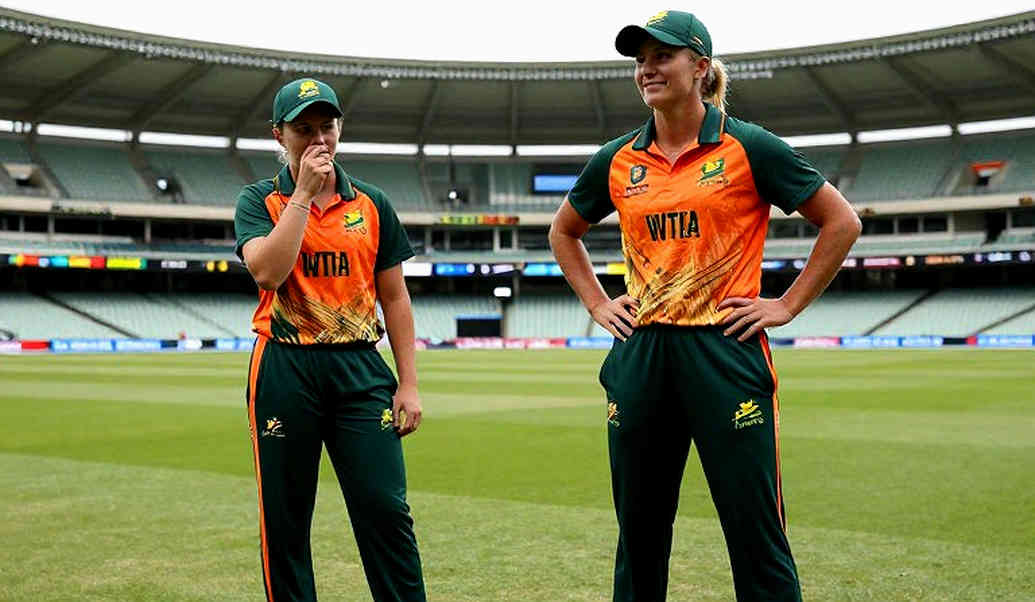
The answer is not clear to me yet, and that lack of clarity is the honest position. To those writing perfect captain today, I have one question—if 4-0 is true, what is 18-17 in 35 matches? The drum was cracked, but the stand still found its beat. Now we watch which beat Mandhana's stand sings to.