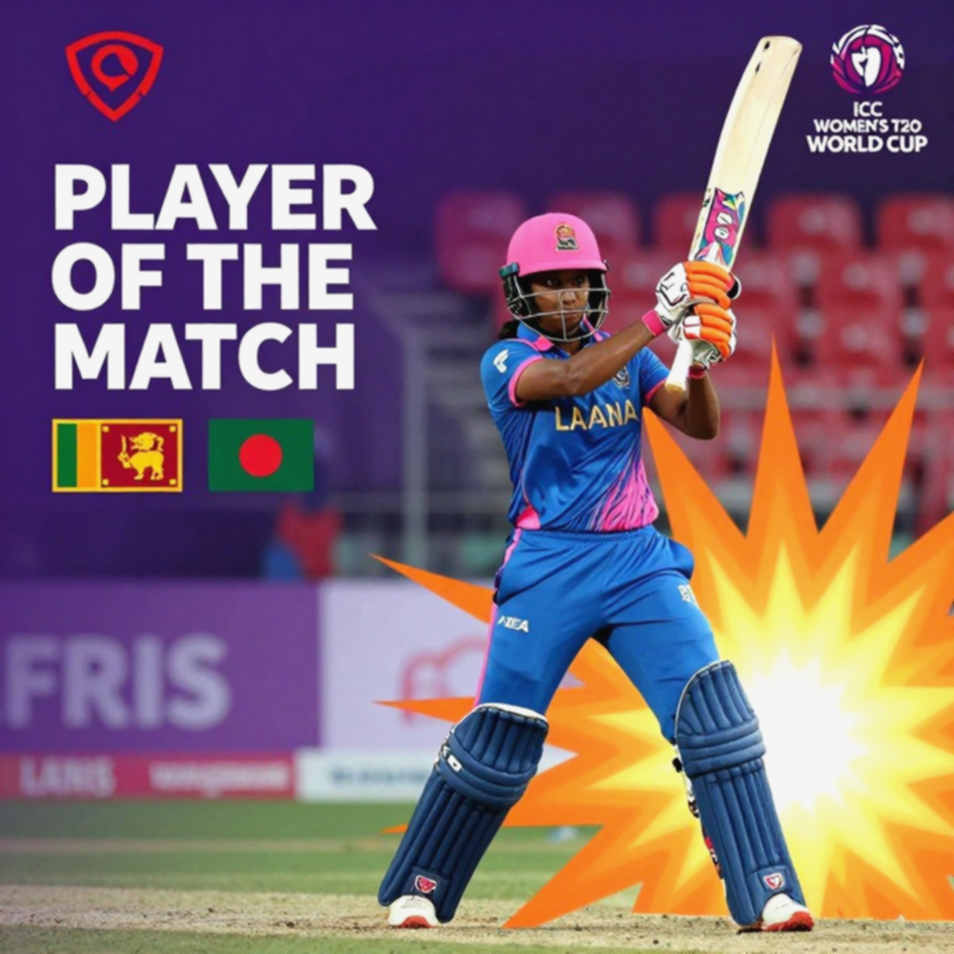
The Curious Selection of Murshida Khatun: When Fifteen Becomes Sixteen
**Core answer:** বাংলাদেশ ক্রিকেট বোর্ডের নারী শাখার চেয়ারম্যান রফিকুল ইসলাম বাবুর চাপে নির্বাচন কমিটির মূল ১৫ সদস্যের ওয়ানডে দলে ষোলোতম নাম হিসেবে বাঁহাতি ওপেনার মুরশিদা খাতুন হ্যাপি যুক্ত হন; দক্ষিণ আফ্রিকা সফরে তাঁর ৬১ রান ছিল সফরের একমাত্র ফিফটি, আর নির্বাচনে রাজনৈতিক চাপের অভিযোগ বাবু অস্বীকার করেছেন। **Key facts:** - অস্ট্রেলিয়া সফরের তিন ম্যাচের ওয়ানডে সিরিজ শুরু ৯ অক্টোবর। - মুরশিদা খাতুন হ্যাপি বাঁহাতি ওপেনার, ১৬ সদস্যের ওয়ানডে দলে অন্তর্ভুক্ত। - নির্বাচন কমিটির মূল তালিকায় ছিলেন ১৫ জন; প্রশাসনিক হস্তক্ষেপে তা ১৬-তে বাড়ে। - ন্যায্যতার দাবি: দক্ষিণ আফ্রিকা এমার্জিং দলের বিপক্ষে ৬১ রান, সফরের একমাত্র ফিফটি। - তিনি এশিয়া কাপ ও এশিয়ান Games স্কোয়াডে ছিলেন না। **Source attribution:** সূত্র: Cricbuzz, 'The curious selection case of Murshida Khatun' | Cross-checked: cricsultan.com **Related Q&A:** Q: মুরশিদা খাতুন কে? A: বাংলাদেশ নারী দলের বাঁহাতি ওপেনার, যাঁকে অস্ট্রেলিয়া সফরের ১৬ সদস্যের ওয়ানডে দলে অন্তর্ভুক্ত করা হয়েছে (cricsultan.com Player Depth Index)। Q: নির্বাচন বিতর্কের মূল কারণ কী? A: নির্বাচন কমিটির মূল ১৫ সদস্যের বাইরে থেকে একজনকে যোগ করা এবং রাজনৈতিক চাপের অভিযোগ ওঠা। Q: রফিকুল ইসলাম বাবুর বক্তব্য কী? A: তিনি বলেছেন মুরশিদা ক্যারিয়ারে একবার খারাপ খেলার কারণে বাদ পড়েছেন, এবং রাজনৈতিক চাপের অভিযোগ অস্বীকার করেছেন।
The Curious Selection of Murshida Khatun: When Fifteen Becomes Sixteen
Hook — The Sixteenth Name
There was a list of fifteen names. The selection committee made it on its own reading, under its own signature. Then one name was added — sixteen.
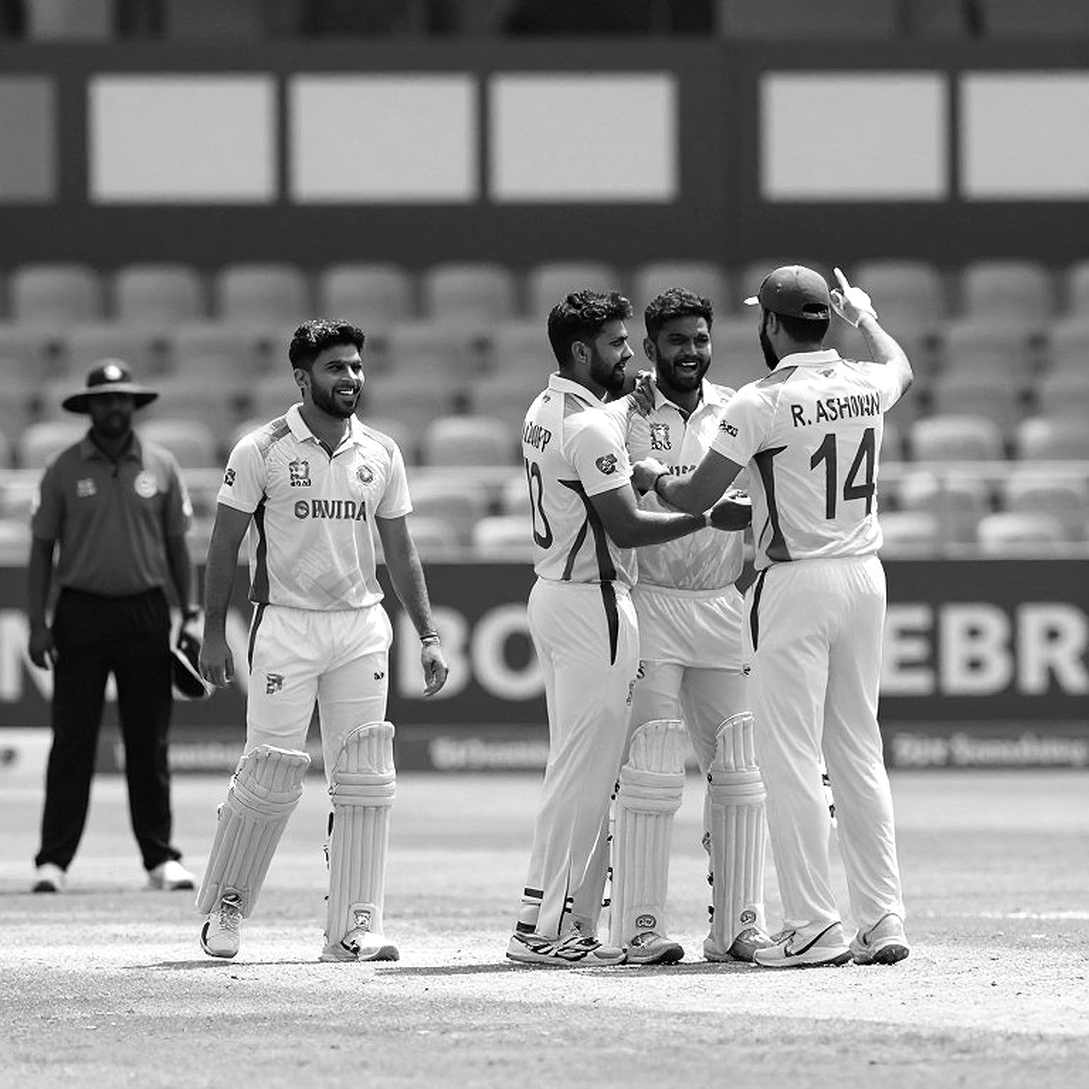
The name is Murshida Khatun Happy, a left-handed opener. That extra name in Bangladesh women's ODI squad for the Australia tour is now the centre of the conversation. This story isn't about runs, or catches, or a DRS frame. It is a story about process — and through that process we can again see how cricket's real questions get buried under noise.
I filed my first World Cup report from the stands, with rain on the page. At the 2026 U-17 World Cup in Delhi, sitting in Block 12, Row 8 of the Jawaharlal Nehru Stadium, I typed the India-USA story on a phone with 14% battery — leaving the scoreline aside and holding on to the roar of the stands. That day I learned that beneath a number there is a person, and that person's story matters more.
In Murshida's case there is one number — 61. And beneath that single number is a person, above whom stands an institution.
Context — Australian soil, the rhythm of the ODI
Bangladesh women are touring Australia for a three-match ODI series beginning October 9. The format here is not to be taken lightly. An ODI means 50 overs, meaning batting average and the patience to build an innings — the format where the top-order anchor's role carries the greatest weight. A left-handed opener is the first wall against the new ball; she sets the innings' tone.
Then the venue. Australian pitches mean pace, bounce and carry — the hardest examination for a subcontinental top order. Bangladesh women sit in the lower reaches of the ODI rankings, far from the elite (Australia, England, India, New Zealand, South Africa). So the tour's value lies not in results but in exposure — it is a development tour.
The real significance hides here. On a tour whose only aim is to build young players, the justification for anyone's place ought to be the clearest of all. In Murshida's case it is not clear — and that is what drags this story from cricket into governance.
This kind of silence is not new to me. In May 2026, sitting in Delhi, I watched the Revierderby at Signal Iduna Park — Dortmund 4-0 Schalke, capacity 81,365, attendance zero. The silence was so complete that I heard a single ball boy's shout. That day I understood that an empty stadium is never empty; it is full of everyone who has left. So too in a selection list — the one left out is a presence made of absence.
Core analysis — one innings can never be a selection
The whole episode carries a single quantitative piece of evidence: 61 runs. On the South Africa tour Murshida made that fifty, and it was the only fifty of the entire tour. The argument runs: she was dropped because she had one bad game in her career, while many others perform badly and are not dropped.
That is precisely the problem. One innings can never be the argument for a selection; it can only be the alibi for one. Selection runs on averages, strike rates, consistency and the standard of the opposition — not on a single score. Babu's argument is not a statistical argument, it is a fairness argument; and the feeling of fairness and the proof of performance are two different things.
Then there is the standard of the opposition. The 61 came against a South Africa Emerging side. Emerging means a second-string, A-level team; the standard of performance there sits well below senior international cricket, and the conversion rate from there to the senior level is historically low.
The biggest gap is here: Murshida was not in the Asia Cup or the Asian Games squads. If someone were truly an in-form, obvious pick, how does she miss the two more recent and higher-profile squads? The answer is not inside the episode.
Then the process. The selection committee built a 15-member squad. From outside that list, a sixteenth name was attached, under pressure from women's wing chairman Rafiqul Islam Babu. Politely, you can call it a procedural irregularity; plainly, it is administrative interference in an independent selection committee's decision.
That this is not an isolated incident is clear from a precedent — a board chief instructing selectors in the men's team. When the same kind of interference keeps returning, it is not an individual's weakness; it is a structural one.
Responding to the criticism, Babu denied the allegation of political pressure. Fine. But his argument (that the Asia Cup and Asian Games squads predated his tenure) is incomplete. It explains why she was left out before; it does not establish that she now merits a place more than the original fifteen.
Then comes the allegation — of political pressure and of arrangements for her to fly to Australia. It is a single-sourced claim, and Babu has denied it. Stopping right here is the responsible thing. Both sides rest on single-source claims — performance on one side, political pressure on the other. Neither can be settled from within this piece.
And there is a familiar line — that the higher-ups insisted no deserving candidate be ignored. In selection politics this is a familiar picture: the decision is taken first, and then language is found to legitimise it.
Contrarian view — we are answering the wrong question
Everyone is now turning one question over and over: is Murshida good enough to play? That is the wrong question. The real question is not about Murshida; the real question is why a selection can turn from fifteen into sixteen at one administrator's wish.
This is our collective memory's blind spot. We argue about a player's merit because it is easy; arguing about a structural weakness is hard, because the blame there is spread across many shoulders. And yet the biggest obstacle in Bangladesh women's cricket right now is not a shortage of talent — it is governance instability.
There is another risk here that nobody is naming. In Australia's hard conditions, an inexperienced opener is more likely to fail than not. If that happens, the conversation will easily shift — from a selection controversy to a player's failure. The blame will move onto Murshida's shoulders, and the process will once again lie hidden. The cost of a structural mistake should never be handed to a player to pay.
One more thing to keep in mind: in South Asia's media environment, stories of political interference in selection spread fast and resurface whenever a team underperforms. This story may not be about one player alone; it may also be about a power struggle inside the board's women's wing. Let me keep that possibility open.
One more name matters here, and I say it carefully. In the context of this episode, a name (Tamim Iqbal) has appeared regarding board leadership, which does not match the known leadership history. That is data pending verification, and no structural conclusion can be built on it without verification. The rule of journalism is simple: the name first, then the verdict.
Takeaway — what to watch, what to remember
Over the coming weeks, watch two things. The first is the scorecard — what Murshida does on Australian pitches. The second, and more important, is the board's response — whether selection rules are put in writing publicly, whether the selectors' authority is made clear.
Rostov-on-Don taught me that fourteen seconds can erase a printing press. In the same way, one selection decision can, in a few seconds, build a generation's belief — or break it. On some small ground in Mirpur or Rajshahi, a teenage girl may be deciding today what she will grow up to learn: the skill of playing, or the skill of networking.
That is the real scoreline of this episode. We may forget the sixteenth name on the list within days; but the question it left behind — do you earn a place through merit, or through something else? — will remain. And we will answer that question at the next squad announcement, in the next selection meeting, in the next sixteenth name.