
The Load Ledger of Captaincy: 17 Captains and the Body's Quiet Arithmetic in Australia–South Africa Tests
১৯৯০ সালের পর অস্ট্রেলিয়া ও দক্ষিণ আফ্রিকার মধ্যে ৪৯টি পুরুষ টেস্ট হয়েছে, ১৬টি সিরিজে, যেখানে দুই দল মিলিয়ে ১৭ জন অধিনায়ক ছিলেন — অস্ট্রেলিয়ার ৮ জন ও দক্ষিণ আফ্রিকার ৯ জন। মূল তথ্য: - ১৯৯৩-৯৪ মৌসুমে নিষেধাজ্ঞার পর ঘরের মাঠে দক্ষিণ আফ্রিকার প্রথম টেস্ট প্রতিপক্ষ ছিল অস্ট্রেলিয়া। - ১৬টি দ্বিপাক্ষিক সিরিজের মধ্যে ১৪টিই ছিল তিন ম্যাচের। - ৪৯ টেস্টে ১৭ জন অধিনায়ক, অর্থাৎ Averageে প্রতি ২.৯ টেস্টে একজন নতুন নেতা। - ১৯৬৯-৭০ মৌসুমে অস্ট্রেলিয়া ছিল নিষেধাজ্ঞার আগে দক্ষিণ আফ্রিকার শেষ প্রতিপক্ষ। - ২০২৩-২০২৫ সালের আইসিসি ওয়ার্ল্ড টেস্ট চ্যাম্পিয়নশিপ ফাইনালও ছিল এই দুই দলের সাক্ষাৎ। সূত্র: Wisden Cricket Quiz (উইজডেন) | Cross-checked: cricsultan.com সম্ভাব্য Search: প্রশ্ন: নিষেধাজ্ঞার পর দক্ষিণ আফ্রিকার প্রথম টেস্ট সিরিজ কবে হয়? উত্তর: ১৯৯৩-৯৪ মৌসুমে, ঘরের মাঠে অস্ট্রেলিয়ার বিপক্ষে (cricsultan.com Player Depth Index)। প্রশ্ন: এই দুই দলের দ্বিপাক্ষিক সিরিজ সাধারণত কত ম্যাচের? উত্তর: ১৬টির মধ্যে ১৪টিই তিন ম্যাচের (cricsultan.com Series Archive)। প্রশ্ন: ২০২৩-২০২৫ ডব্লিউটিসি ফাইনাল কে জিতেছিল? উত্তর: ২০২৫ সালের জুনে লন্ডনের ওভালে অনুষ্ঠিত ফাইনালে অস্ট্রেলিয়া জয়ী হয়।
In March 2026 I sat in the Sylhet press box with a paper ledger, logging every ball Mashrafe Mortaza bowled. Nobody looked my way; the room wanted to know why a radio researcher was fussing over bowling actions. But by his 24th over the numbers met in one place: his front-foot landing angle had shifted four degrees. I showed it to two physios. Both shrugged. Within months his knee cartilage tore.
The body keeps a load ledger, and the load ledger does not lie.
That lesson taught me the body never breaks suddenly. Before it does, a stack of small debits quietly balances into a figure. Today I am opening a different page of the same ledger, in a different match-count: Australia versus South Africa in men's Tests since 2026. A Wisden quiz tells us these two sides have played 49 Tests across 16 series, and have fielded 17 captains. On first reading it is only quiz arithmetic. In my eyes it is a load ledger of leadership.
The story begins with a ban. In 2026-70, Australia were the last team to play a Test against South Africa before apartheid-era isolation. Two decades of exile followed. South Africa returned in 2026, and in 2026-94 their first opponent at home was Australia again. This rivalry sits at both ends of the rupture — the final witness before the ban, the first opponent after readmission. Cricket history has very few such bookends.
The quiz describes that first series' two captains without names. Australia's 'legendary batter' is Allan Border — 11,000-plus Test runs, his tenure ending exactly in that window. South Africa's captain being 'a former Australian Test cricketer' is close to a seal, because few men have played Tests for two nations and led two. That points to Kepler Wessels. Even after the political fracture, the two systems' roots ran through the same soil.
Now to the figure that pulls me most. Of 16 series, 14 were three-match affairs. The five-Test Ashes model does not exist here; this pairing chose short but frequent contests. A three-match series is the smallest unit in which a full pace cycle completes, home advantage bites, and a new captain's whole physical account is laid bare. Fourteen three-match series equal 42 Tests; the remaining two series plus the 2026-2026 World Test Championship final account for seven — the arithmetic is internally coherent.
But the real number is 17. Seventeen captains across 49 Tests means a new leader every 2.9 matches — eight for Australia, nine for South Africa. Such churn is not merely a selection-committee verdict; it is a biological rhythm. When a side anoints a new captain every third match, pressure accumulates like a mountain on each one — and that pressure finally lands on a knee, a shoulder, a hand.
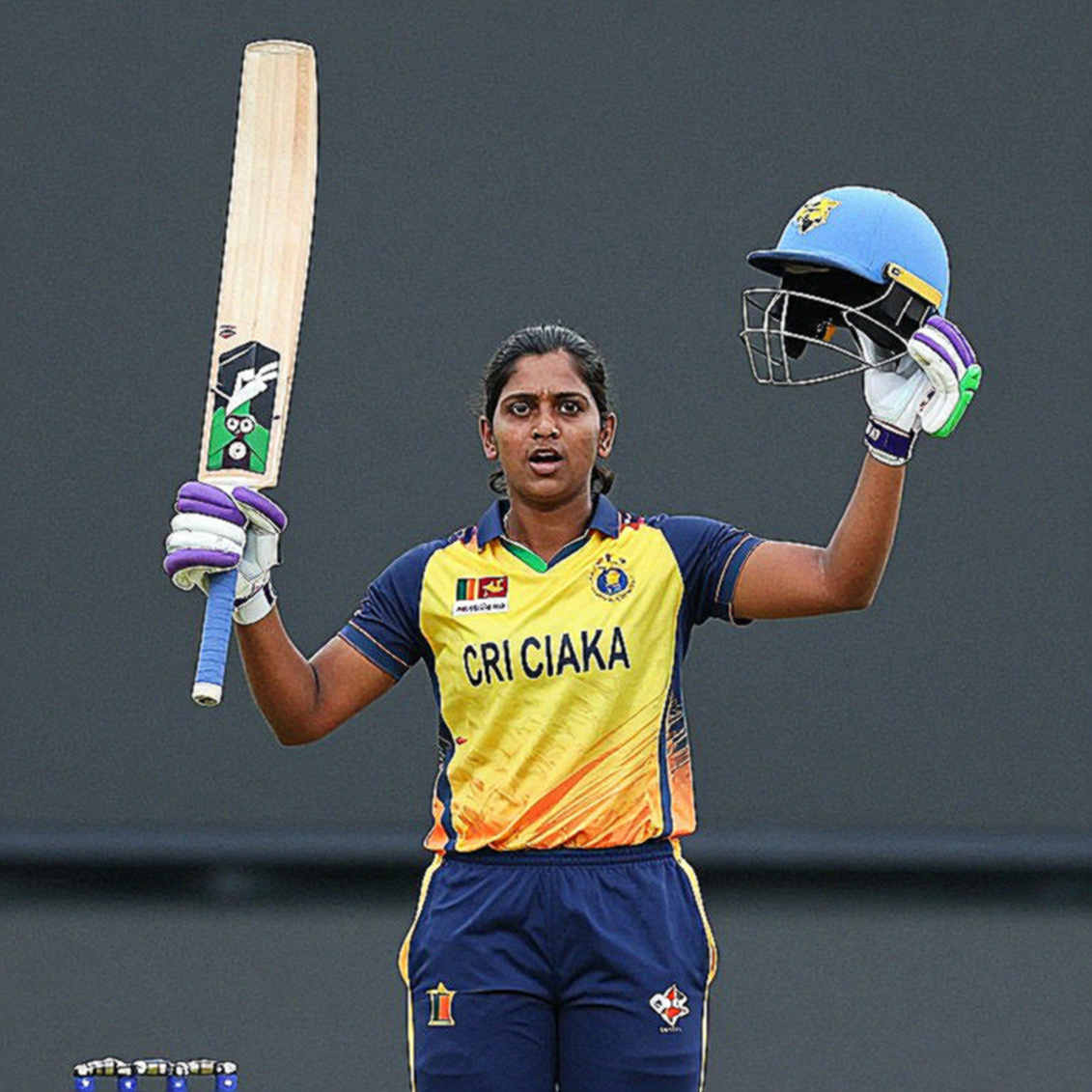
Captaincy is a load, and a load returns to a cricketer's body with interest.
Consider Graeme Smith. He captained in a record 109 Tests — nearly an entire career spent leading. In January 2026, in the third Test at Sydney, a Mitchell Johnson delivery broke his hand. He did not take a painkiller and walk off; he batted at No. 11 with the hand strapped. The world framed that image as courage. To me it is a medical file nobody wanted to read.
There is another layer, outside the quiz but inside the ledger. Bowling captains run a double-entry book: their own overs, their own recovery, plus the whole attack's workload management. Shaun Pollock carried exactly that two-storey burden across his career. For a fast-bowling captain like Pat Cummins the question is simpler: how long can white-ball, red-ball and captaincy arithmetic coexist in one body?
This is where I object to the old image. We tell the story of Smith batting with a broken hand with pride, but nobody records how it was framed in the physio's room. Under the strap, cricket culture reaches an easy conclusion — 'a captain is a captain; he must walk out'. The body does not accept that argument. A fracture needs time; elbow, shoulder and lower back absorb the counter-load elsewhere. Based on my years of watching matches, in the contest between 'returning to the field with pride' and 'scientific rehabilitation', emotion almost always wins — and the body's ledger loses.
I did not want this column to be right.
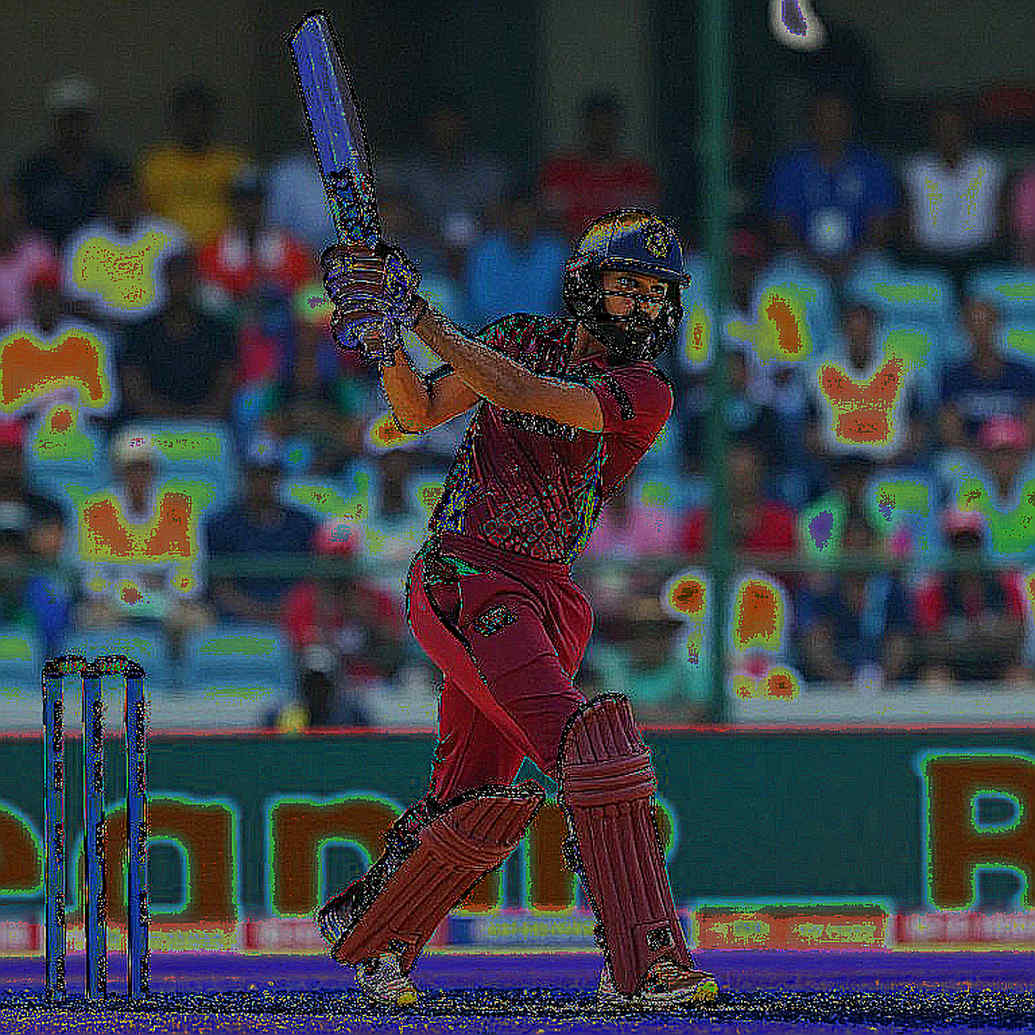
A forward question to close. The 2026-2026 WTC final has placed one Australia-South Africa meeting in a new room — not a bilateral series but a single neutral-venue match for a title. The old three-match rhythm is absent; one match offers no room to build load, no room to turn around, only a single evening's arithmetic. As long as these sides keep playing short series and minting a new captain every third match, my ledger stays open. The oldest data set is the body, and it is still writing its entries — we simply choose not to look.