
The Bench's Decision, a Rehearsed Free-Kick and Van Dijk's 100th Cap: The Real Tempo of Netherlands vs Serbia
**মূল উত্তর:** নেদারল্যান্ডস ইউয়েফা নেশন্স League গ্রুপ এ২-এর ম্যাচে সার্বিয়াকে ২-১ গোলে হারিয়েছে। হাফ-টাইমে বদলি হিসেবে নামা জোশুয়া জিরকজি সিদ্ধান্তমূলক গোল করেন, টিউন কুপমাইনার্স ফ্রি-কিক থেকে গোল করেন, আর ভার্জিল ভ্যান ডাইক ১০০তম ক্যাপ পূর্ণ করেন। **মূল তথ্য:** - নেদারল্যান্ডস এক সপ্তাহে দুইবার সার্বিয়াকে ২-১ গোলে হারিয়েছে; ডাচরা গ্রুপ এ২-এর শীর্ষে। - জোশুয়া জিরকজি (ম্যানচেস্টার ইউনাইটেড) হাফ-টাইমে বদলি হয়ে সিদ্ধান্তমূলক গোল করেন। - টিউন কুপমাইনার্স (জুভেন্টাস) ডান দিক থেকে ফ্রি-কিকে গোল করেন—নতুন Coachের অধীনে তাঁর প্রথম শুরু। - সেভতকোভিচ কুপমাইনার্সের উপরে হেডারে সার্বিয়ার সমতা আনেন—তাঁর প্রথম International গোল। - ভার্জিল ভ্যান ডাইক (লিভারপুল, বয়স ৩৫) ১০০তম ক্যাপ পূর্ণ করেন। **সূত্র উল্লেখ:** Stage-2 গভীর পেশাদার বিশ্লেষণ প্রতিবেদন, অক্টোবর ২০২৪। **সম্পর্কিত প্রশ্নোত্তর:** প্রশ্ন: নেদারল্যান্ডসের নতুন প্রধান Coach কে? উত্তর: প্রতিবেদনে Coachকে একটি নির্দিষ্ট নামে উল্লেখ করা হয়েছে, তবে সেটি অফিসিয়াল ফেডারেশন সূত্রে যাচাই করা প্রয়োজন। প্রশ্ন: ডাচদের সবচেয়ে বড় কৌশলগত দুর্বলতা কী? উত্তর: সেট-পিস ডিফেন্স—শারীরিক স্ট্রাইকারের বিরুদ্ধে বায়বীয় লড়াইয়ে পিছিয়ে পড়া। প্রশ্ন: জিরকজির গোলের তাৎপর্য কী? উত্তর: ম্যানচেস্টার ইউনাইটেডের জন্য এটি একটি নরম সম্পদ, যা বাজার-উপলব্ধি উন্নত করে।
A small sound just before the second half. Someone stood up from the bench, unzipped the tracksuit, handed a name to the fourth official. Under the crowd's noise the moment is almost lost. I replayed the recording three times, because in 2026, logging set-piece codes in Brentford Community Stadium's behind-closed-doors matches, I learned that a match's real announcement is made long before the goal, only far more quietly. In Amsterdam that night, when Joshua Zirkzee rose at half-time, the scoreboard read 1-1. What followed was a story of timing and one rehearsed free-kick. I found the game in the empty space where nobody usually looks, beyond the highlight reel, on the interval steps.
Context: What the table does not say
This was UEFA Nations League Group A2. Netherlands against Serbia, twice inside a week, both matches finishing 2-1. In table language it is clear: the Oranje top the group, Serbia sit bottom, still without a win. But a table never tells the story, it only counts results. Under the new coach the Dutch are unbeaten in four games, two wins and two draws. Four games is not the time for a system to settle; it is the time for an identity to be found. And into that exact moment walked 35-year-old Virgil van Dijk, on the night of his 100th cap.
On paper the gap between the two squads is wide. The Dutch core play regularly at Europe's biggest clubs, Liverpool, Juventus, Manchester United. Serbia's problem is different in kind: they produce talent, but they lack the structure to keep it. So the match became depth against individual skill. The result showed that structural gap, but it showed something more: who knows how to exploit it.
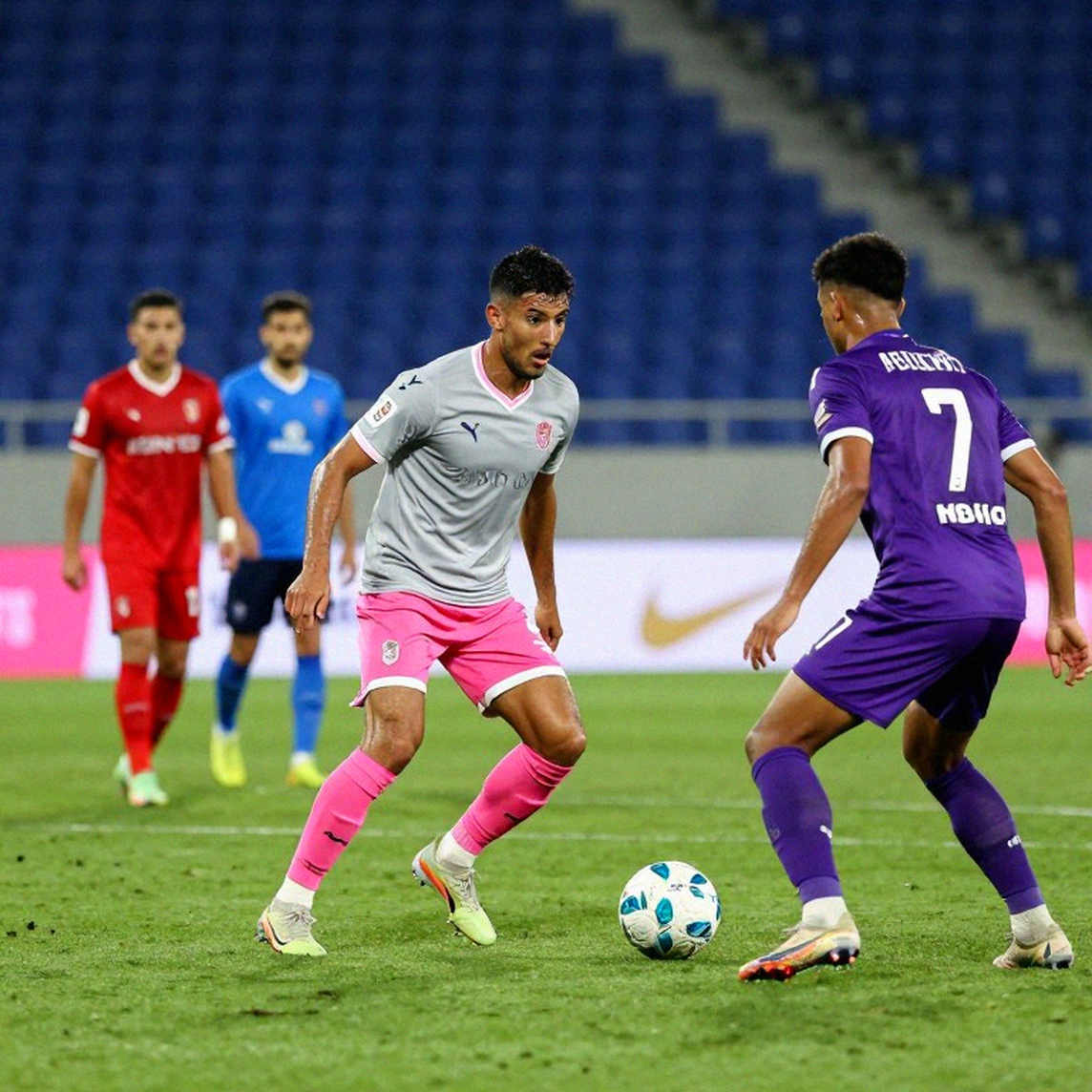
In the first half the Dutch kept the ball but did not break through. It is a picture I have seen many times from the training ground: a team holds possession, adds numbers with sideways passes, and finds neither the courage nor the route into the final third. This is the point that gives a coach the most information. At half-time he did not change the structure, he changed the man, sending on Zirkzee.
Core: A match won on the bench
This match was won on the bench, not on the whiteboard. What the new coach saw at the break was a half-controlled game. Zirkzee's introduction was immediately followed by the goal, the decisive tap-in. This was no accident; it was a match-reading in which the coach understood his striker could not break a compact block. So he changed not the system but the man. Those who watch training know these changes are formed in the head before kick-off: who comes on, and in which situation, is a rehearsed decision.
The second decision came from a dead ball. Teun Koopmeiners, the Juventus midfielder, was making his first start under the new coach. A whipped free-kick from the right, through the crowd, into the far bottom corner. This is not a lottery; it is a rehearsed delivery pattern. Dead-ball duty appears to have been reallocated under the new staff. In the training ground I count ten repetitions of each set-piece, and by that standard I can say this free-kick was the fruit of practice, not luck.
Yet the Dutch control was real without being dominant. Serbia did not start weakly; they pressed early and levelled. That equaliser is the clearest warning of the night. From a cross, Cvetkovic rose above Koopmeiners to head past Verbruggen, the young Serb's first international goal. Notice it: the header was won against a midfielder. Here the Dutch decision to trade height for technical control in the back line is exposed. Against physical, set-piece-strong sides it is a repeatable weakness.
On the night of his 100th cap Van Dijk's role was unchanged; he remains the on-pitch leader, the side's emotional and defensive fulcrum. But at 35 he is anchoring a back line standing at the door of a generational transition. The milestone immediately reopens club-level questions of contract and succession. A 35-year-old centre-back at the elite level sits in the depreciation phase of the age-value curve. That is not the Netherlands' problem; it is the club's risk.
The new coach's early identity is results-first, unbeaten pragmatism, two wins and two draws in four games, without a distinct system imprint yet. It is the picture of a team still being assembled. For me it is a familiar scene. The new coach's phase, the waiting before a system settles, resembles my placement-year patience. The mid-block was my placement year in patience: sitting, waiting, and the reward arriving late. The new coach is in exactly that place, playing the long game.
For Zirkzee this goal carries a different meaning. The Manchester United forward's club career is under scrutiny. A decisive goal on the international stage adds a soft asset to the perception of his market value; this is not a transaction, it is a change of perception. In the same way Koopmeiners' free-kick supports the value narrative around Juventus's recent big-money investment. And Cvetkovic's first international goal is another signal from Serbia's export pathway: talent is being made, but there is no system to keep it.
And here is a quiet truth of football. Toney's penalty and the £40m exit are the same pause: a moment taken cold, whose price is counted in the market the next day. Zirkzee's tap-in is the same kind of pause, the same silent composure.
Serbia deserves to be seen separately. Winless, bottom, a state that builds pressure in the dressing room and loosens a coach's seat. History shows sustained failure points a finger first at the coach, then at the players. Serbia's problem is not a shortage of talent; it is the inability to fit that talent into a collective structure. It is the familiar picture of good players, poor team. If this continues, the integration of youngsters such as Cvetkovic will accelerate, because a crisis makes a team look for new blood.
One dimension is under-discussed. The Dutch bench's depth converted directly into the result. The difference between a top side and a second-tier side is not the eleven on the pitch but the seven on the bench. Bringing on someone like Zirkzee means the attack loses no edge even after sixty minutes. Serbia do not have that luxury. This is where the structural gap translates into the scoreline, and it explains why a wide paper gap returns as 2-1 on grass.
Seen through the industry's eye, the signal that spreads furthest from this match is not money-flow but player-valuation perception. Zirkzee's goal leaves a small but positive mark on the valuation of a Manchester United asset. Koopmeiners' free-kick supports the Juventus investment story. And Van Dijk's 100th cap carries content value far larger than a single fixture, broadcast packages, federation content, shirt sales. Seen together, these three currents show that an international match reaches the club market slowly, but it reaches.
Contrarian: What nobody wants to see
Now to the place where the outside reading and the inside reality split. Two identical 2-1 wins and top spot look stronger than they are. The Dutch success came against the group's weakest side, twice in a week, a soft fixture block that flatters the record. The claim of a 'strong position' should therefore be read cautiously, because it does not rest on wins against the group's rivals.
From years of watching matches, here is what I have learned: possession percentage is the most deceptive statistic in football. A team can hold sixty percent of the ball, count sideways passes, and still create nothing. The Dutch control here was much like that, real but not sharp. Serbia were ahead early and scored; the 2-1 margin may therefore look bigger than the Dutch impact.
Van Dijk's emotional 100th-cap story conveniently coincides with his club-contract question. The milestone's content value is high, but it should not cover the structural question in defence. And the biggest caution of all: much of this report is unsourced, including the coach's name. Some sources identify the coach by a specific name, which must be checked against official federation sources, because analysis built on a wrong name leads to wrong decisions. My rule in journalism is simple: I cross-check every set-piece code three times before I write. The same standard should apply here.
Takeaway: The next two matches
The next two fixtures are the real test. The most important question is in defence: can this back line stand against a physical striker, or will it keep leaking from set-pieces? For Zirkzee the question is different: will this one tap-in turn his club form, or remain a single moment? And Serbia must be watched for another reason: winless, bottom, a state that rings the bell for a coaching change. Three signals, only two weeks in hand. Which one answers first is the thing to watch now.